
Profile
Faculty of Medicine, Diponegoro University
History
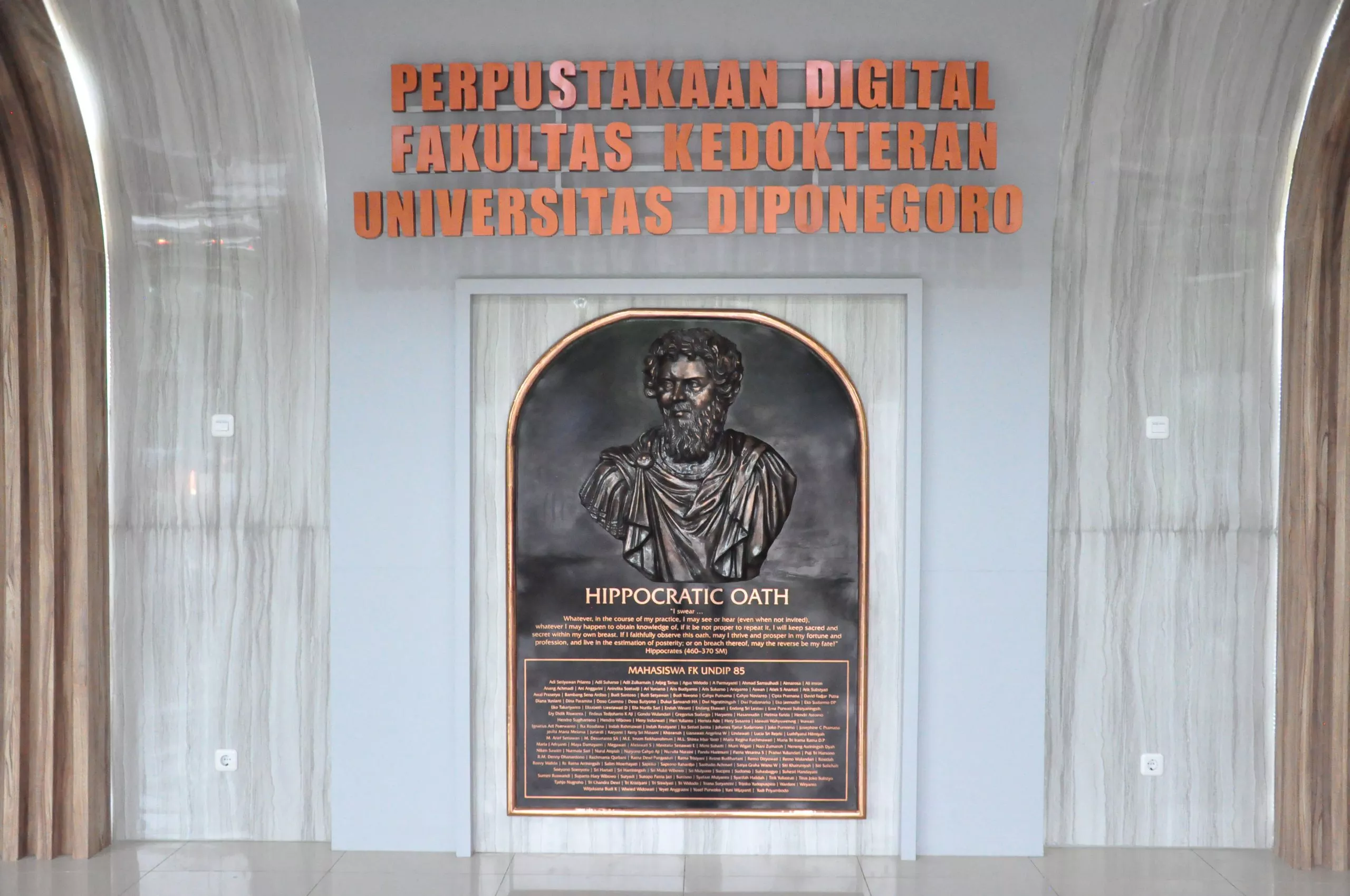
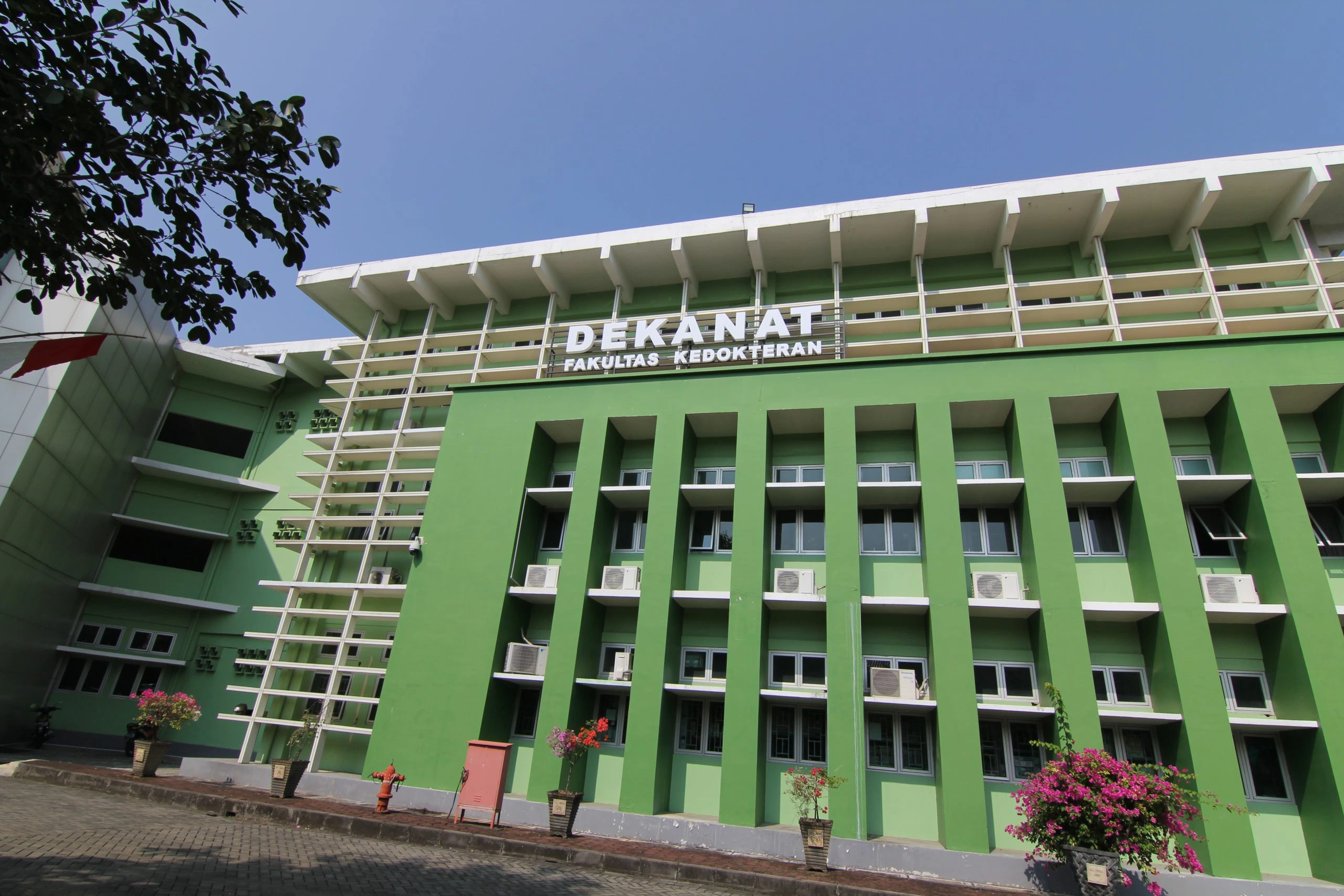
The Faculty of Medicine, Diponegoro University, is one of the leading medical faculties in Indonesia. It was established on October 1, 1961, and celebrated its Golden Jubilee in 2011, marking 50 years of dedication to the Tri Dharma of Higher Education in Indonesia. The Faculty is affiliated with Dr. Kariadi General Hospital, which provides medical education and clinical training for medical students, interns, and specialist residents. According to the THES–QS World University Rankings 2007, in the Life Sciences and Biomedicine category, the Faculty of Medicine, Diponegoro University, was ranked 410th in the world. Located on Prof. Sudarto, S.H. Street, Tembalang, Semarang, the Faculty campus is integrated with Dr. Kariadi General Hospital and Diponegoro National Hospital.
During the Japanese occupation, efforts were made to establish medical education to meet the demand for doctors at that time. However, this medical school ceased to exist after the end of Japanese rule. In 1955, the Djojo-bojo Foundation (whose members included Dr. Boentaran and Dr. Atmadi Wreksoatmodjo) aspired to establish a Faculty of Medicine. However, this effort failed due to a lack of coordination between the Head of the Health Inspection Office, the Hospital Administration, and the City Health Department amid strong political and factional divisions at that time. Nevertheless, Semarang Central General Hospital was already a suitable and representative institution to become a teaching hospital for a Faculty of Medicine.
In 1958, Dr. Heyder bin Heyder and Dr. Soerarjo Darsono approached the President of Diponegoro University, Soedarto, S.H., to convey their idea of establishing a Faculty of Medicine, considering that many medical students from Gadjah Mada University (UGM) were conducting their clinical clerkships in Semarang.
The Diponegoro University Foundation, established in 1959, already had several faculties — Law, Economics, Teacher Training and Education, and Engineering — which further encouraged the initiative to establish a Faculty of Medicine. In a joint meeting between the Semarang Diponegoro University Foundation and the University Senate on June 10, 1960, led by Dr. R. Atmadi Wreksoatmodjo, it was decided to establish a Faculty of Medicine. To implement this decision, a Founding Committee was formed, chaired by Suyono Atmo with Sri Widojati Notoprodjo, S.H. as secretary. Additionally, a Technical Committee was established, chaired by Colonel Dr. R. Soehardi, with Dr. Heyder bin Heyder as secretary, and members including Dr. R. Kolonel, Dr. A. Soerojo, Dr. R. Marsaid S. Sastrodihardjo, Dr. Tjiam Tjoan Hok, and Dr. R. Soedjati.
Since 1951, Semarang Central General Hospital had been involved in training co-assistants (interns) from Gadjah Mada University, particularly in Pediatrics, Obstetrics, and ENT. Although examinations were still conducted in Yogyakarta, the hospital had gained valuable experience in providing clinical education.
On March 9, 1961, the Technical Committee held a plenary meeting and decided:
- The hospital director would serve ex officio as acting Dean to start preparations immediately, with Dr. Heyder bin Heyder as assistant dean and secretary.
- The committee considered the hospital suitable to serve as a teaching hospital.
- The committee approved the six-and-a-half-year curriculum designed by Dr. Atmadi Wreksoatmodjo.
- Due to limited readiness for pre-clinical education, the Faculty would begin from the clinical level, accepting senior medical students from UGM who were willing to transfer to Semarang.
On March 29, 1961, Dr. Heyder bin Heyder and Dr. Soerarjo Darsono met Prof. Soedjono Djoened Poesponegoro, Dean of the Faculty of Medicine, University of Indonesia, to seek advice and support for establishing the Faculty of Medicine in Semarang. Prof. Soedjono supported the initiative and agreed to provide teaching staff from the University of Indonesia, which was realized in 1963.
Later, a leadership change at the Semarang General Hospital occurred, with Dr. Soepaat Soemosoedirdjo replacing Dr. Atmadi Wreksoatmodjo. On July 1, 1961, Diponegoro University Presidential Decree No. 782 C was issued, appointing Dr. Soepaat Soemosoedirdjo as Acting Dean and Dr. Heyder bin Heyder as Secretary. However, since Dr. Soepaat had just arrived from Klaten and was unfamiliar with the situation, Dr. Heyder bin Heyder was assigned to oversee all activities.
Further preparations included negotiations with the Faculty of Medicine, Gadjah Mada University, and its senior students.
On July 12, 1961, a delegation consisting of Soedarto, S.H. (Acting President of Diponegoro University), Dr. Heyder bin Heyder (Faculty Secretary), and Dr. Soepaat Soemosoedirdjo (Director of Semarang Central General Hospital) met Prof. Iwa Koesoemasoemantri, Minister of Higher Education and Science (PTIP). The Minister welcomed the proposal and stated, “For a Dean, I do not need someone clever, but someone honest.”
The Minister of Health, Prof. Dr. Satrio, also expressed his support and suggested appointing an Armed Forces member as the first dean, considering the challenges in Central Java at that time. Both the Minister of PTIP and the Minister of Health opposed the idea of combining the roles of Dean and Hospital Director. Consequently, on the same day, July 12, 1961, the delegation submitted a written request proposing Colonel Dr. Soewondo (Army Medical Officer, Kodam VII) as Dean and Dr. Heyder bin Heyder as Vice Dean.
The PTIP Department requested an additional nominee and on August 2, 1961, Diponegoro University proposed Soejono Atmo, Deputy Governor of Central Java, though this was declined since he was not a physician. Finally, the University Senate proposed three candidates: Colonel Dr. Soewondo, Dr. Heyder bin Heyder, and Dr. Atmadi Wreksoatmodjo.
On August 24, 1961, a final preparatory meeting was held, chaired by Dr. Heyder bin Heyder, attended by all hospital department heads, including Dr. Tendean (Mental Hospital) and Dr. Go Gien Hoo (St. Elizabeth Hospital). On August 31, 1961, another meeting was held in Yogyakarta with Prof. Radioputro representing UGM.
The meeting concluded:
- A maximum of 40 senior medical students from UGM would transfer to Diponegoro University voluntarily.
- Student transfer on a voluntary basis.
These students would officially become Diponegoro University students and receive their degrees from the university.
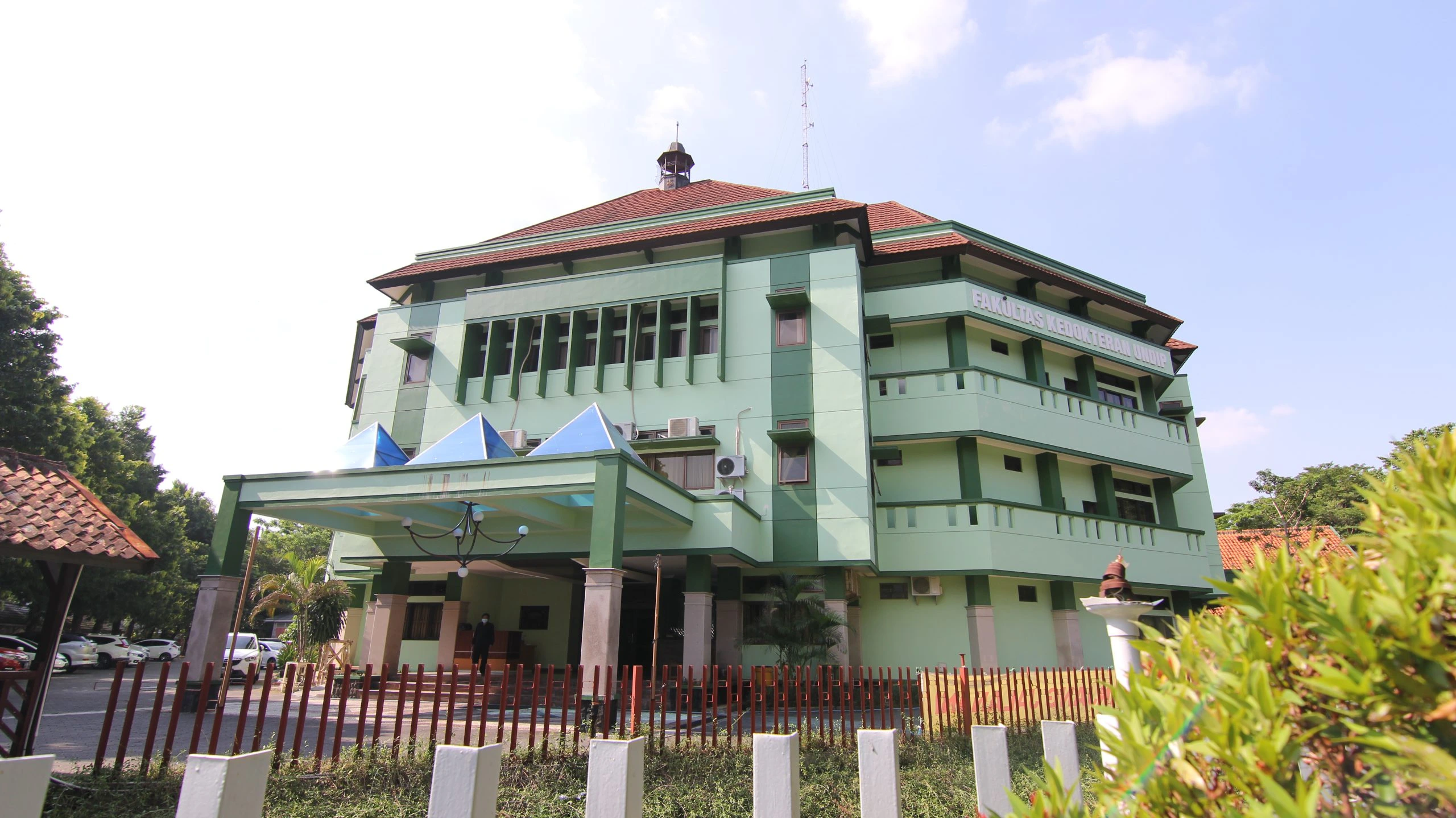
By Ministerial Decree No. 3/1961, dated September 12, 1961, the Faculty of Medicine, Diponegoro University, was officially established effective October 1, 1961, becoming the fifth faculty within Diponegoro University.
The Faculty was inaugurated by the Vice Minister of Higher Education during the First Anniversary of Diponegoro University on September 30, 1961, at Semarang City Hall. Education began with upper-level medical students (Doctorandus Medicine) transferred from UGM — six in 1961, increasing to thirty in 1962.
During the academic year 1961/1962, seven students graduated as Semiarts (Level I). On October 1, 1962, the Faculty accepted 82 new students selected from 426 applicants. The first lecture, titled “Guided Education,” was delivered by Colonel Dr. Soewondo, the first Dean. The first graduate of the Faculty was Dr. Suradi.
Over its 46-year journey, the Faculty has achieved remarkable progress. As of July 2001, it had produced 1,252 specialists, 3,570 general practitioners, and 2,360 bachelor graduates.
Today, the Faculty manages two undergraduate programs: Psychology and Nursing, as well as Master’s and Doctoral Programs in Biomedical Sciences established in 1997. Since 2001, residents (PPDS I) have been given the opportunity to pursue the Special Master’s Program in Biomedical Sciences, aimed at improving the quality of graduates.
Educational innovation at the Faculty is carried out through a Problem-Based Learning (PBL) approach, using integrated case-based methods that have become a distinctive feature of Diponegoro University’s medical education. Research activities funded by various sources — OPF, BBI, RISBINDOK, RISBINKES, and Competitive Research Grants — reflect the faculty’s commitment to the Tri Dharma of Higher Education: education, research, and community service.