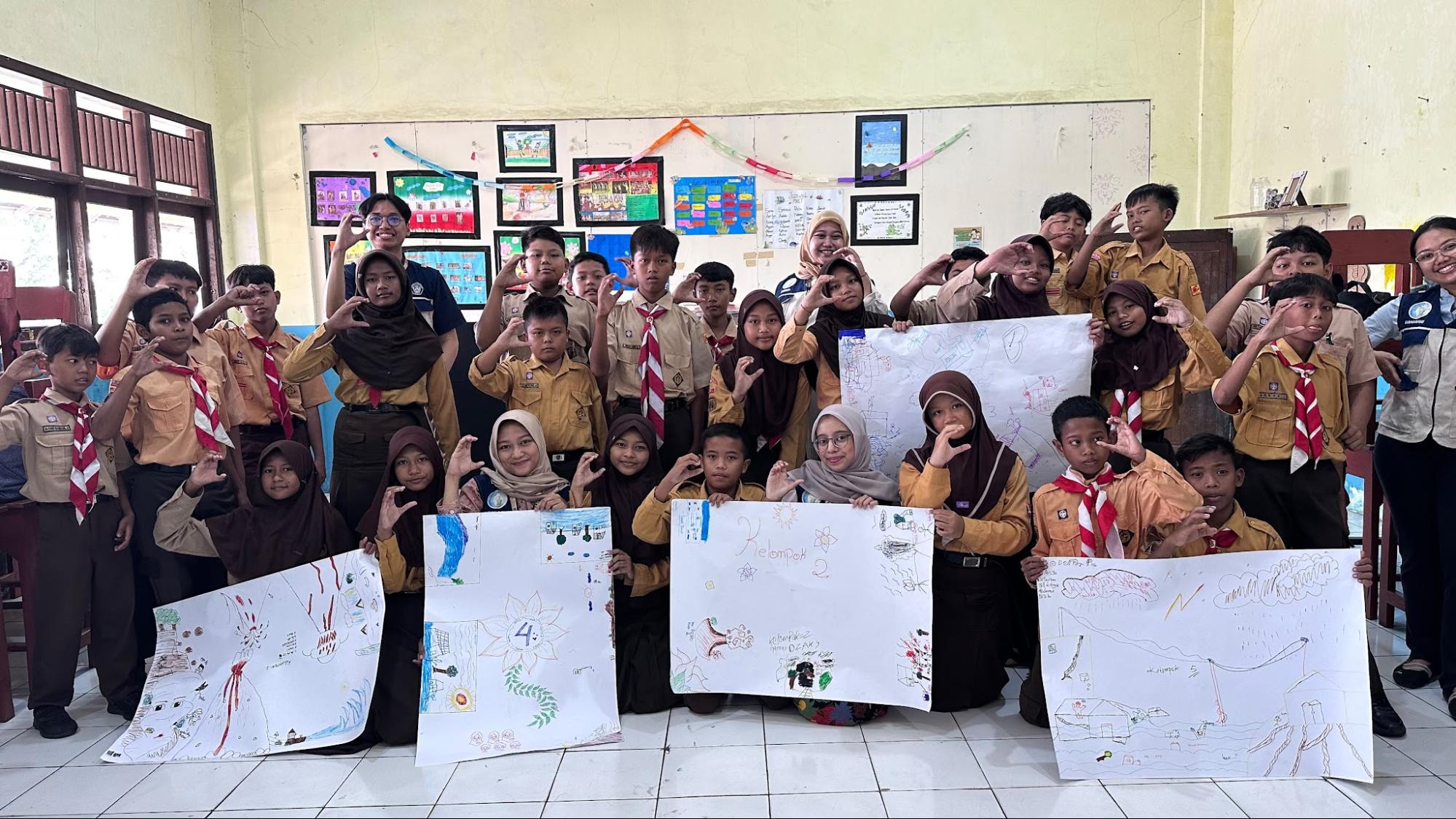
SEMARANG – Students of Universitas Diponegoro’s Thematic Community Service Program (KKN-T) Team 95 in Kemijen Village introduced an innovative disaster mitigation learning program through the Creative Health Program (CHP) at SD Negeri Kemijen 03, East Semarang District, Semarang City. Conducted in two phases, from July 23–24 and July 30–31, 2026, the program combined disaster education with the ACT-CHP learning approach to foster disaster preparedness among elementary school students through active, creative, and engaging learning experiences.
The initiative was the result of multidisciplinary collaboration among members of Universitas Diponegoro KKN-T Team 95. The Faculty of Medicine and the Occupational Safety and Health Study Program of the Faculty of Public Health led the development of health and disaster mitigation materials, while students from various other faculties contributed to the program’s implementation. This collaborative approach integrated health education, disaster preparedness, creativity, and community empowerment to enhance students’ disaster readiness more effectively.
As one of the world’s most disaster-prone countries, Indonesia requires disaster risk education to begin at an early age. Responding to this need, the first phase of the program introduced students to various types of disasters, including both natural and non-natural hazards, self-protection measures before, during, and after disasters, and the importance of preparing emergency go-bags as part of disaster preparedness.
The learning materials were delivered through interactive quizzes, educational games, simple simulations, and an earthquake preparedness song. These engaging methods enabled students to better understand safety procedures while creating an enjoyable learning environment. The program also supports the Sustainable Development Goals (SDGs), particularly Goal 4 (Quality Education) and Goal 11 (Sustainable Cities and Communities), by strengthening disaster literacy in schools.
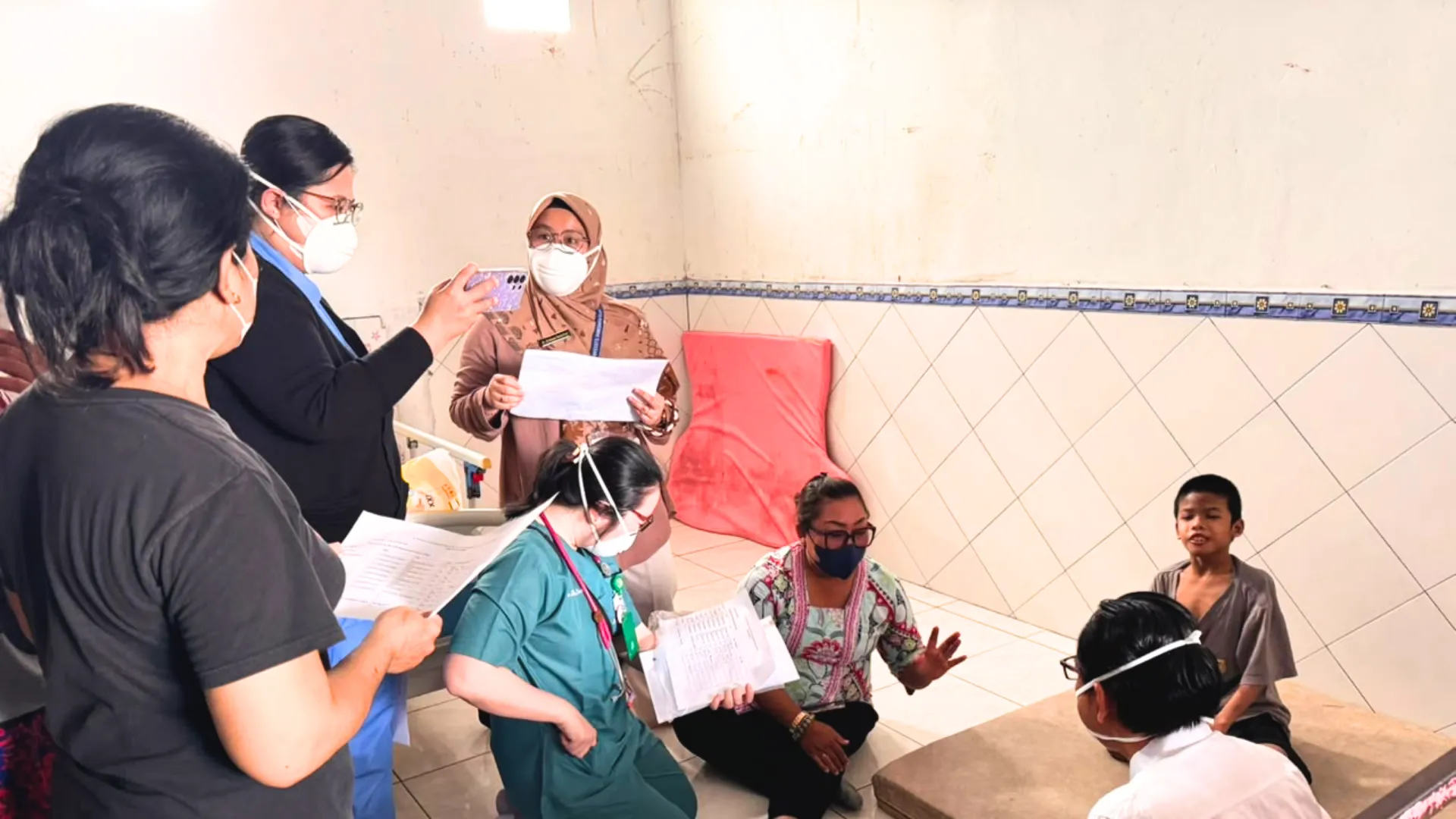
As a follow-up to the educational sessions, the team implemented the ACT-CHP method on July 30–31, 2026. During this phase, students were divided into small groups and asked to illustrate their understanding of different types of disasters through drawings. These illustrations were then developed into short drama performances depicting the causes of disasters, their impacts, and appropriate response and mitigation measures.
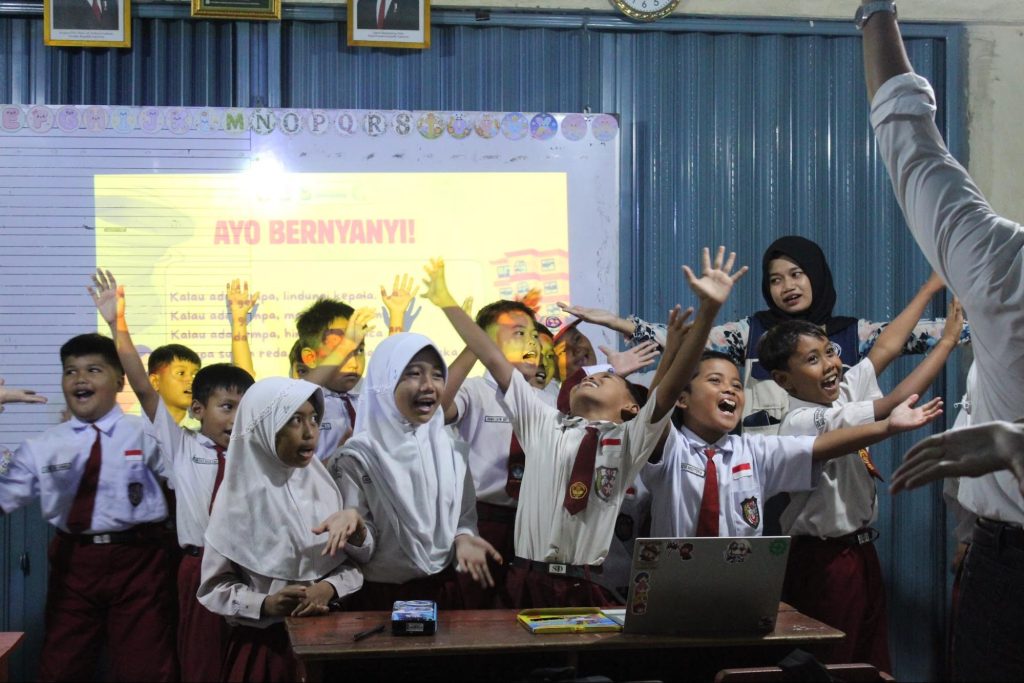
Through this participatory approach, students gained not only a conceptual understanding of disaster risk reduction but also strengthened their critical thinking, communication, collaboration, and decision-making skills when responding to emergency situations. The creative learning activities encouraged active participation while reinforcing students’ retention of the knowledge they had acquired.
The program’s educational framework was further enhanced through international academic collaboration with Fukushima Medical University, Kagoshima University, Koriyama Women’s University, and Lancaster University. This collaboration adapted Japan’s disaster education practices by incorporating a learning-by-playing approach, an experiential learning method designed to help children better understand and retain essential safety knowledge.
According to the program coordinator, disaster education becomes significantly more effective when students actively participate throughout the learning process.
“Through activities such as games, discussions, drawing, and simulations, students not only learn the theory but also develop the ability to make appropriate decisions during emergency situations. We hope these experiences will become lasting knowledge that they carry with them into adulthood,” the coordinator said.
The program received a positive response from SD Negeri Kemijen 03. One of the teachers noted that the interactive learning approach significantly increased students’ enthusiasm throughout the activities.
“The students became more confident in asking questions, participating in discussions, and expressing their ideas. They learned while having fun, yet the key messages about disaster preparedness were delivered very effectively,” the teacher said.
Through the Creative Health Program (CHP), Universitas Diponegoro KKN-T Team 95 hopes that disaster mitigation education will not only enhance students’ knowledge but also foster a generation that is resilient, adaptive, and well prepared to face future disaster risks. By combining interdisciplinary collaboration with international academic partnerships, the program aims to establish an innovative educational model that delivers meaningful and lasting benefits to the community. (FK Undip Public Relations)