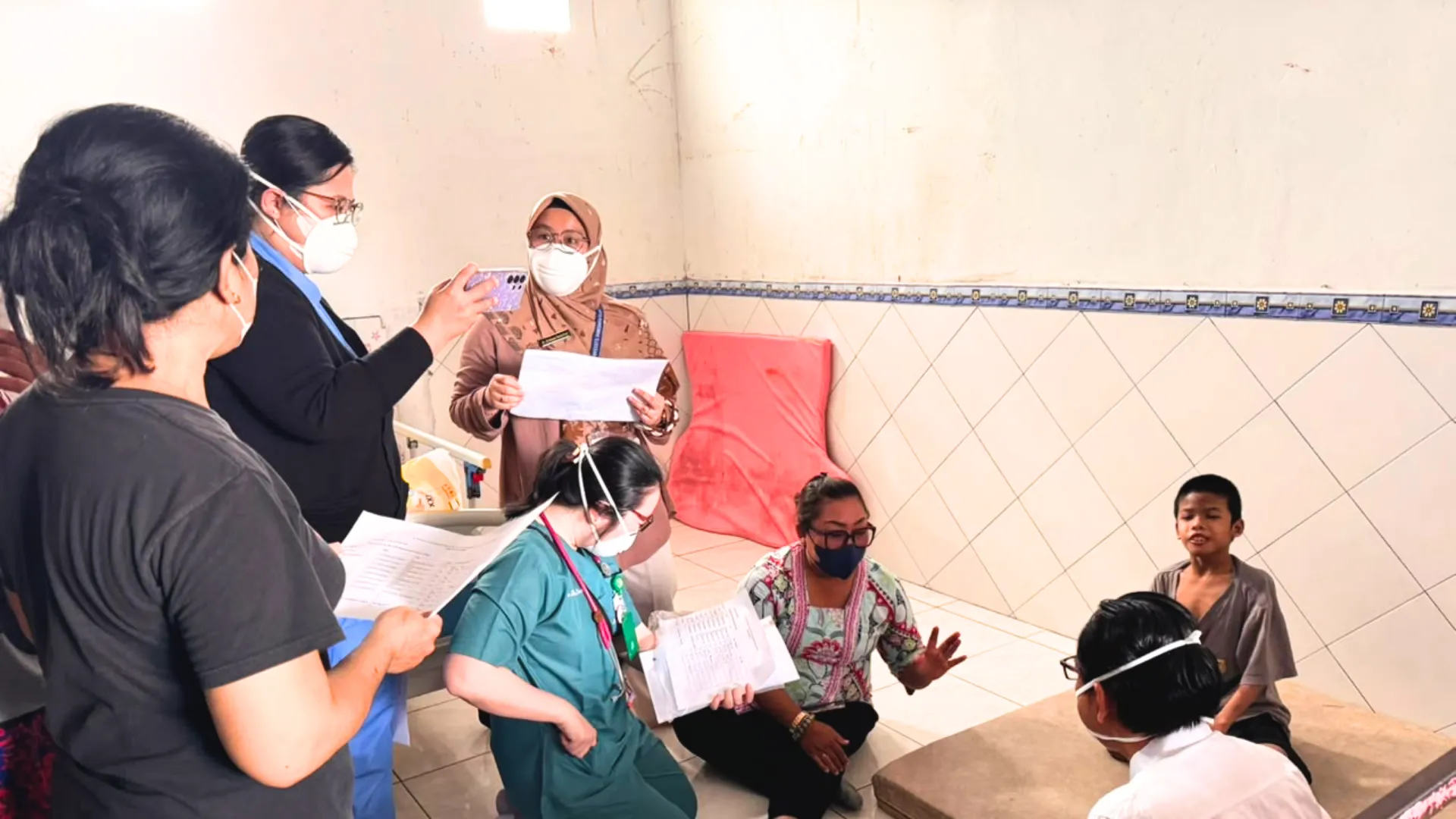
SEMARANG – The Faculty of Medicine Universitas Diponegoro (FK UNDIP), through the Pediatric Study Program, conducted a community engagement program featuring Tuberculosis (TB) screening for children with special needs at Panti Asuhan Cacat Ganda Al-Rifdah, Semarang, on Friday (18/9/2026). The activity was part of FK UNDIP’s efforts to promote community health and support the achievement of the third Sustainable Development Goal (SDG 3), Good Health and Well-being.
The program was carried out in collaboration with Puskesmas Tlogosari Wetan and Dinas Kesehatan Kota Semarang. A total of 12 children with special needs were targeted for TB screening, while health services were also provided to 35 adult patients with special needs at the facility.
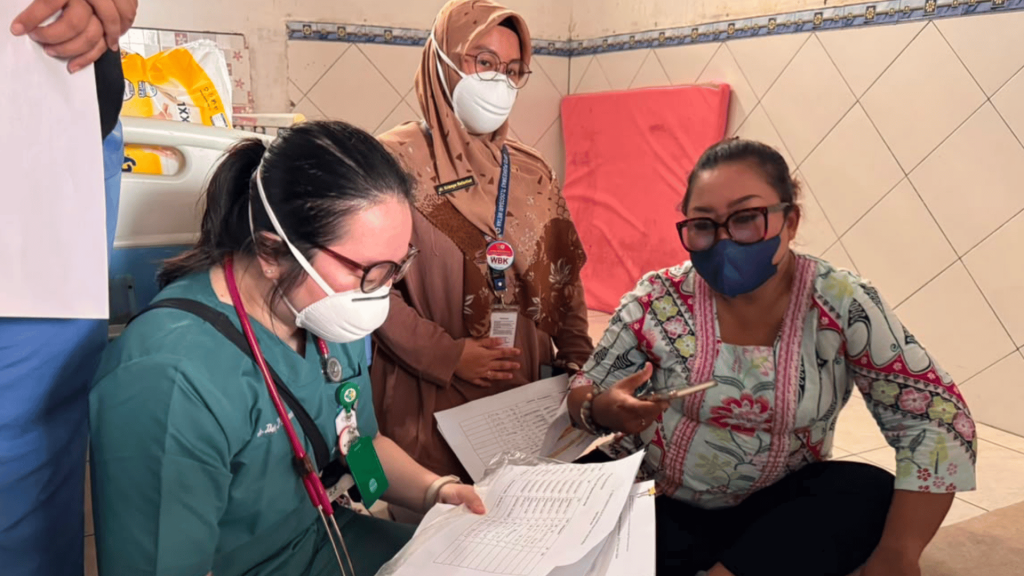
Through the initiative, FK UNDIP sought to support early detection of TB among groups requiring special attention in healthcare services. The screening was conducted by taking into account the individual conditions and needs of the participants, including appropriate communication approaches and coordination with the care staff at the facility.
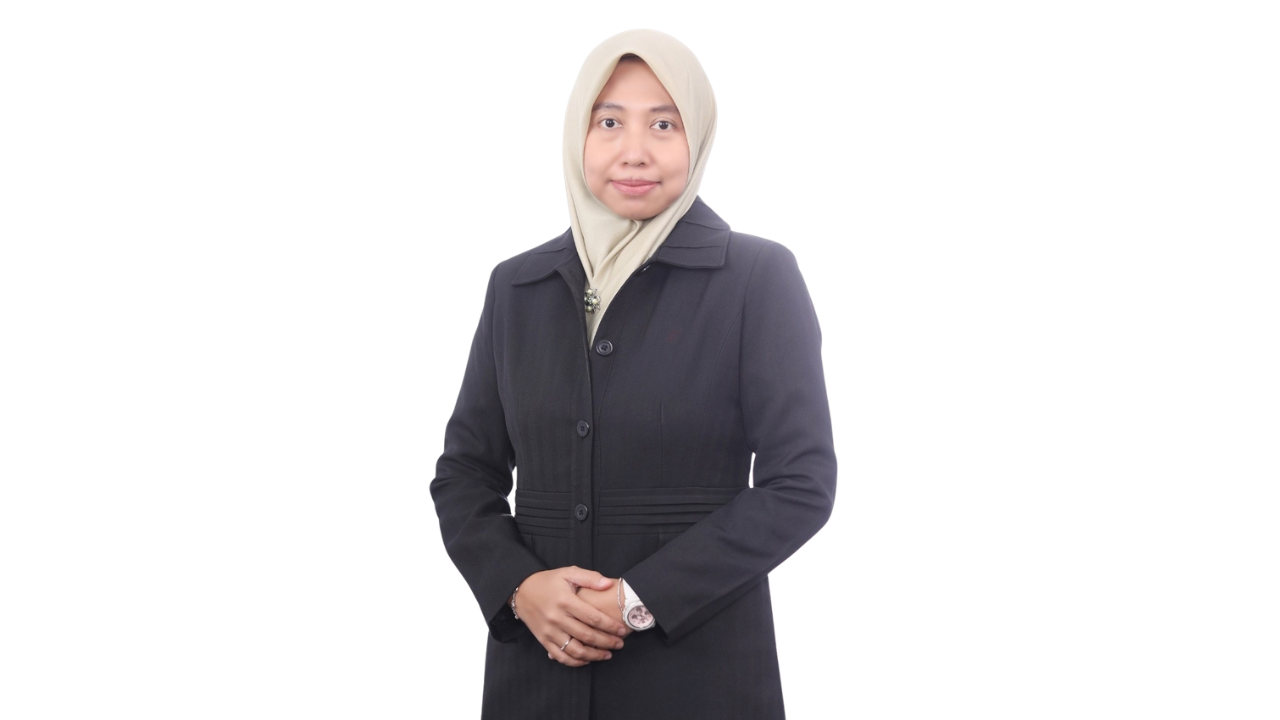
The community engagement program coordinator and examiner, dr. Alem Pramudita Wibowo, said the activity was not solely focused on TB screening but also represented an effort to promote healthcare access for children with special needs.
“This activity is not only about conducting TB screening, but also about being present and showing care for children with special needs who may face greater challenges in accessing healthcare and receiving the attention they need,” said dr. Alem.
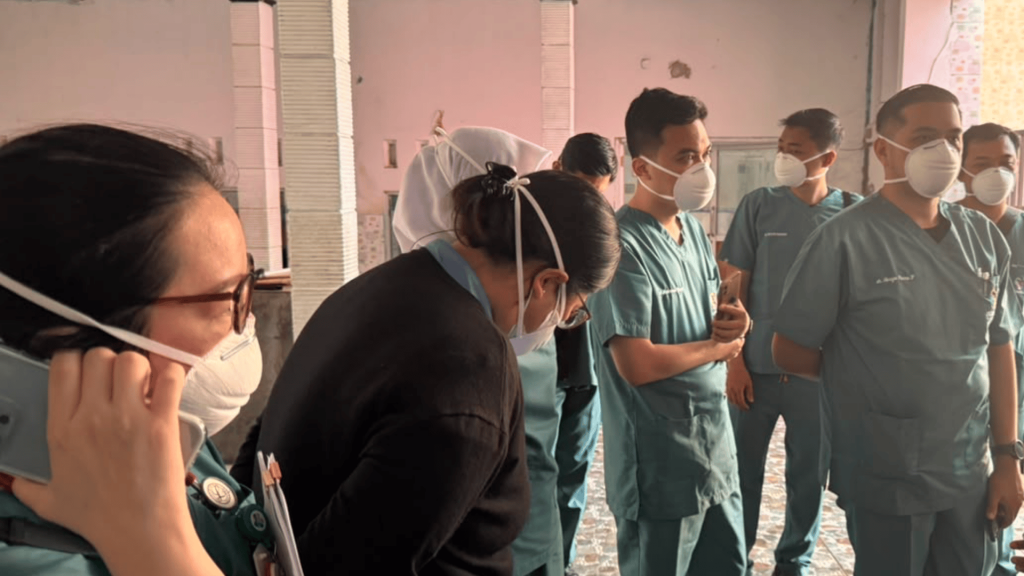
According to dr. Alem, the activity was expected to provide benefits through early detection while also raising collective awareness of the fulfillment of healthcare rights for children with special needs.
“We hope that through this simple activity, we can not only help identify potential TB cases at an early stage, but also raise collective awareness that every child, regardless of their condition or needs, deserves an equal opportunity to grow up healthy and receive proper healthcare services,” he continued.
Furthermore, the community engagement program provided an opportunity for doctors and students to gain firsthand insight into the healthcare needs of communities beyond the hospital setting.
“This activity also serves as a reminder that the role of doctors is not limited to hospitals, but also extends to being present within the community,” said dr. Alem.
The program included coordination with the care facility and healthcare providers, participant registration, TB screening, medical examinations or assessments according to individual needs, health education for caregivers, and identification of participants requiring further examination.
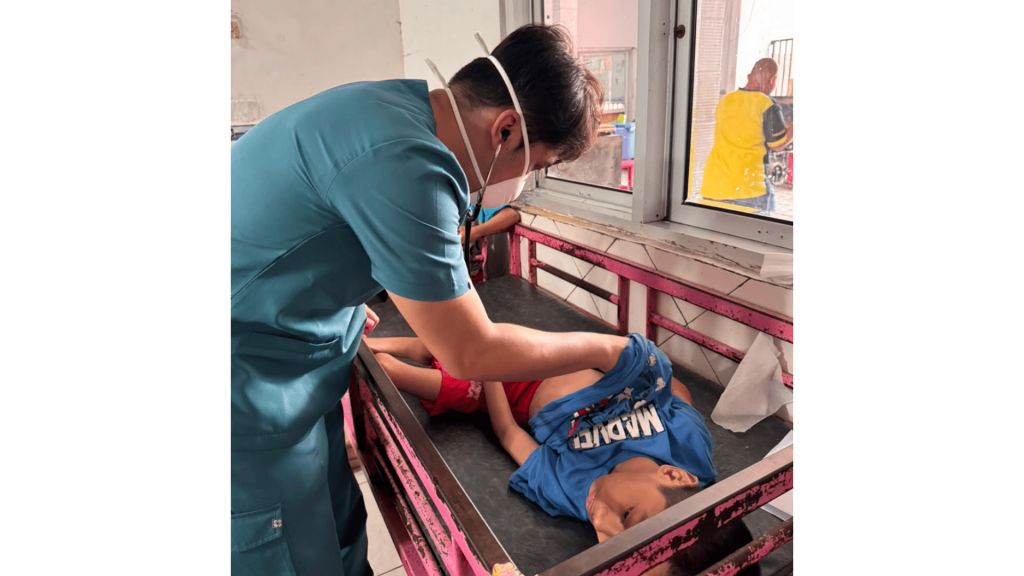
For FK UNDIP, community engagement is an integral part of the implementation of the university’s Tridharma responsibilities, while also serving as an effort to connect the knowledge and competencies of its academic community with the needs of society. Collaboration with Puskesmas Tlogosari Wetan and Dinas Kesehatan Kota Semarang also plays an important role in supporting well-directed and sustainable healthcare services.
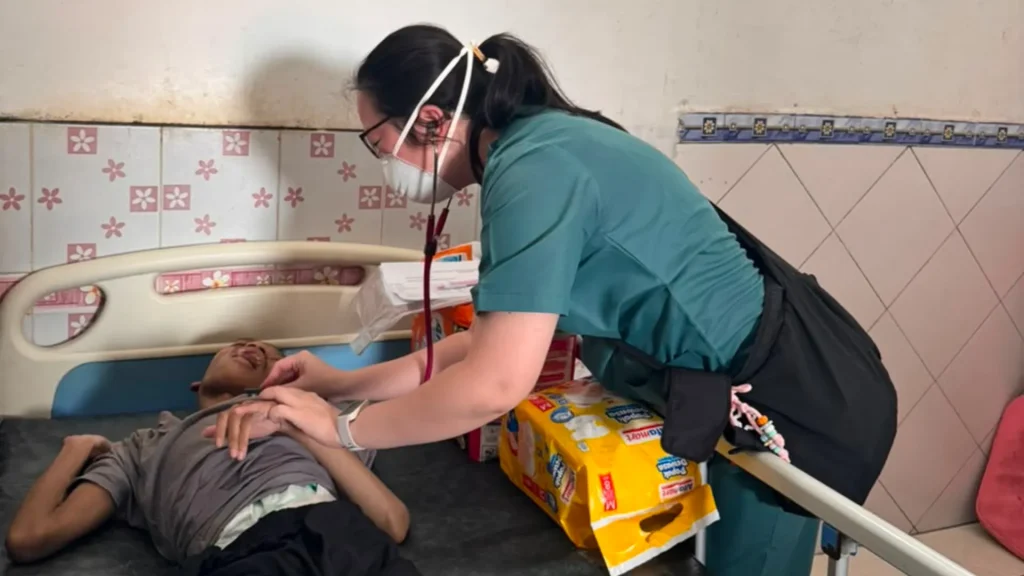
In addition to screening, health education was provided to caregivers and staff at the facility based on the findings of the activity. Participants requiring further evaluation could be referred for additional examinations and appropriate treatment at healthcare facilities, according to clinical indications.
Through this initiative, FK UNDIP continues to encourage the contribution of its academic community to supporting public health, particularly for groups requiring special attention and tailored healthcare approaches. The effort also contributes to FK UNDIP’s support for the achievement of the third SDG by promoting access to healthcare, early detection, and greater attention to the health of children with special needs. (Humas FK UNDIP)