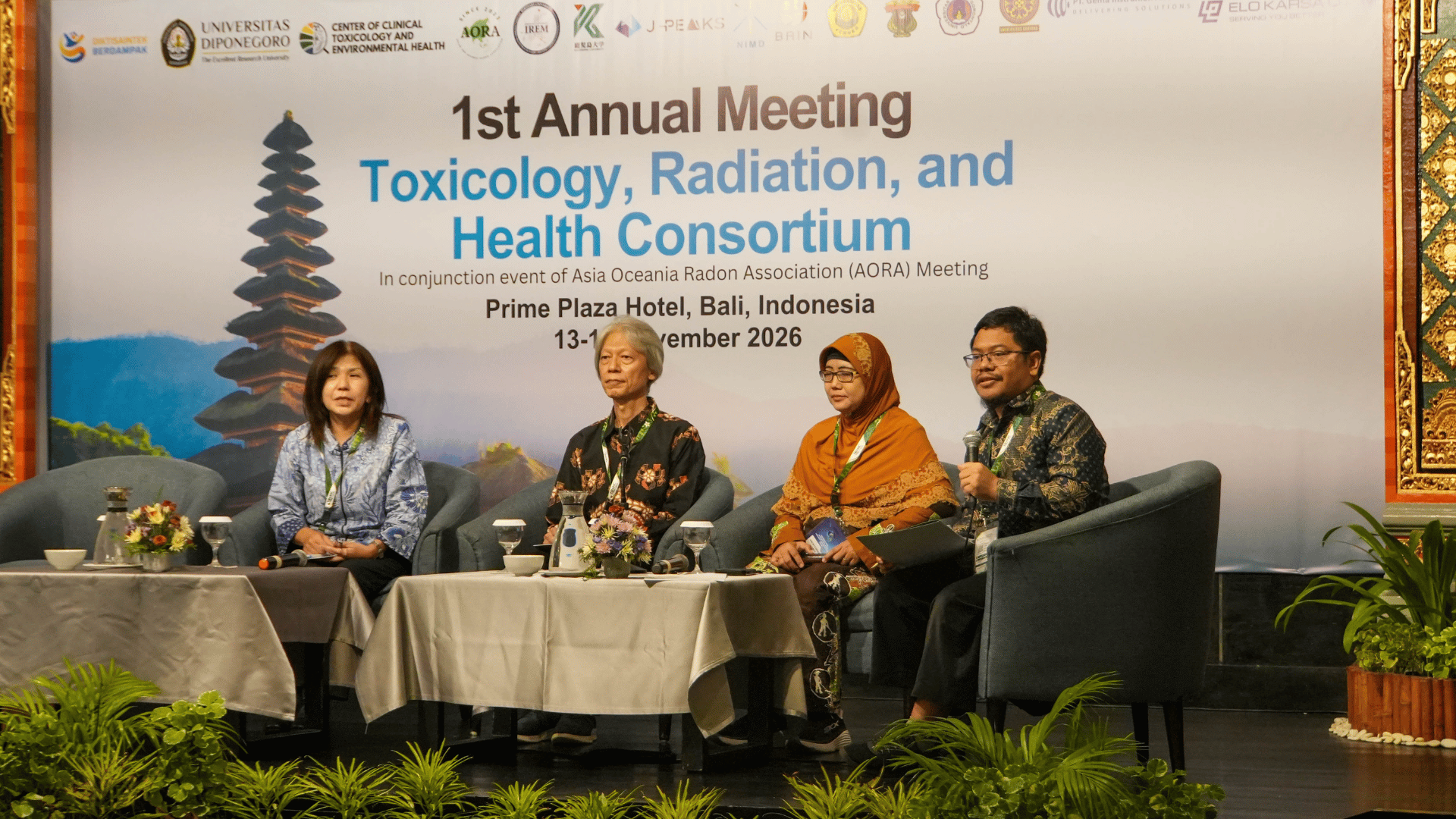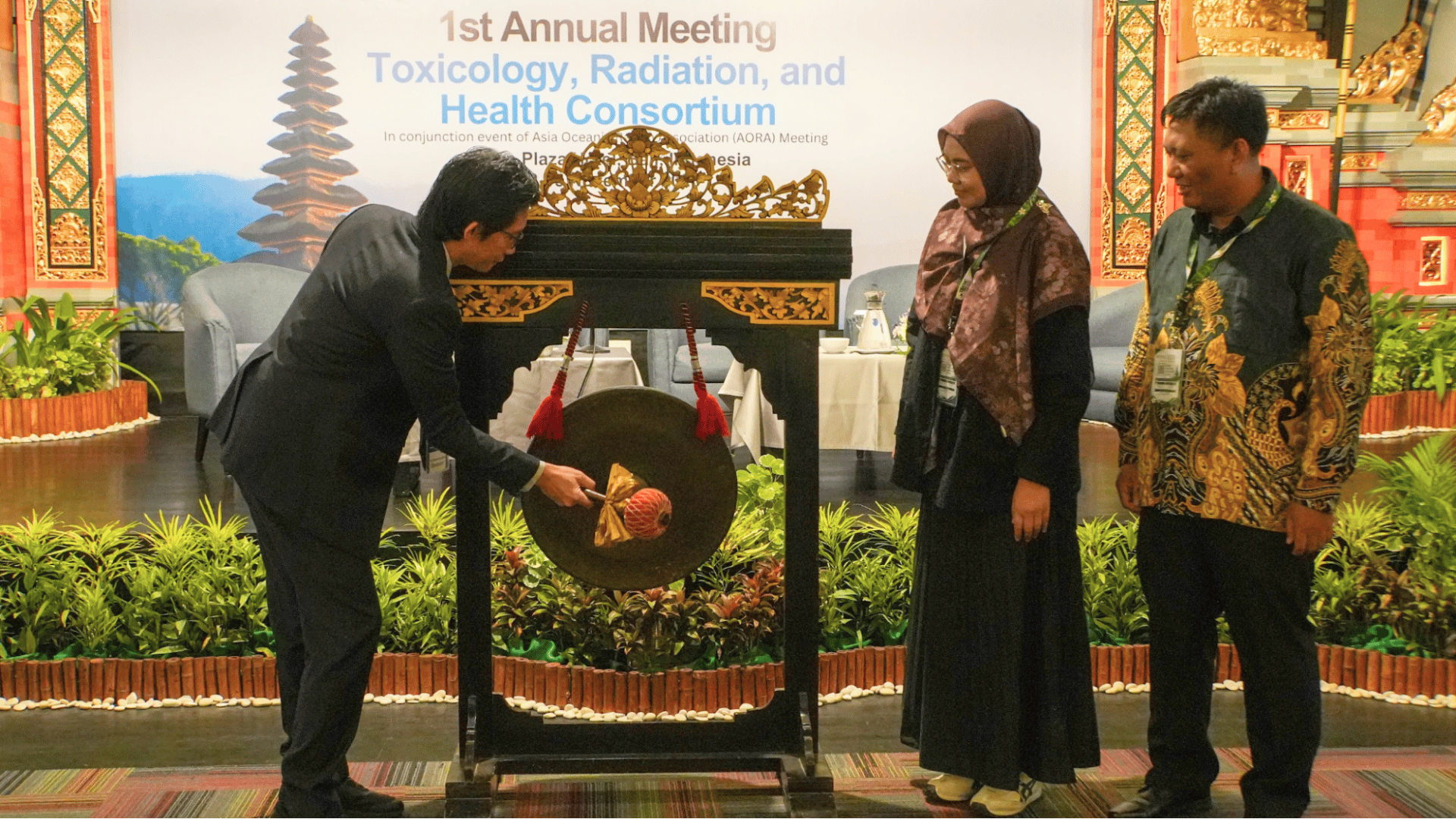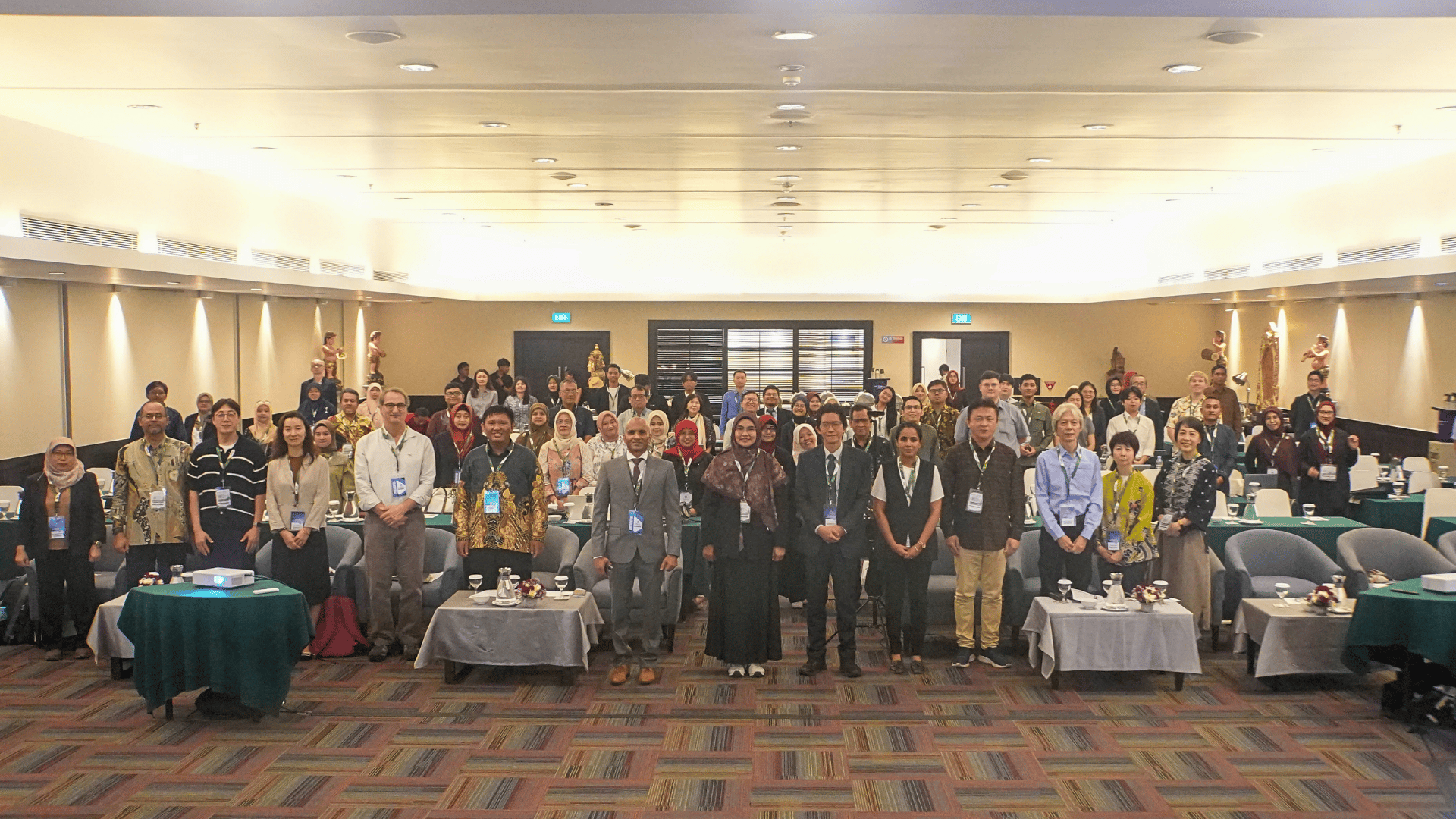
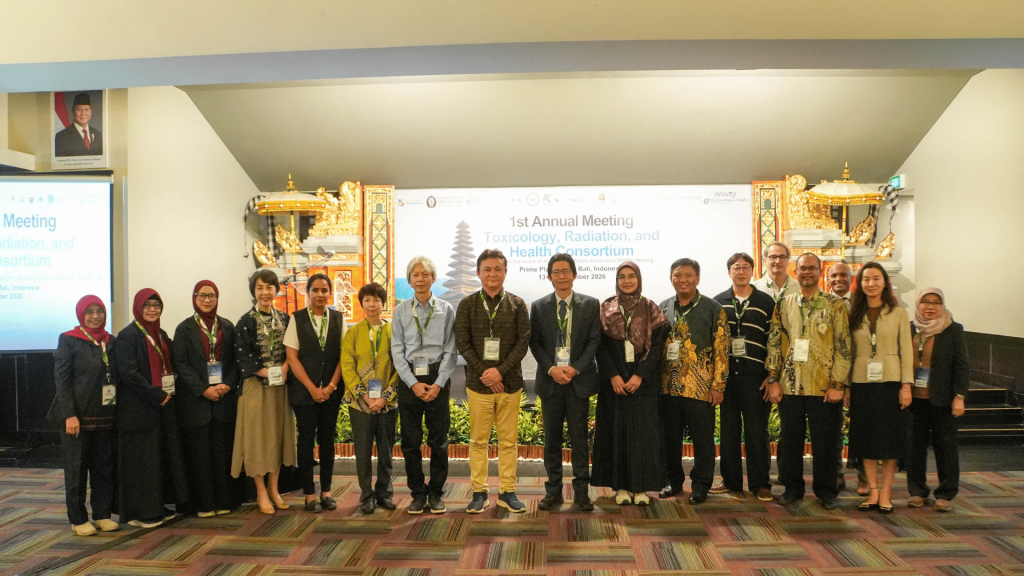
BALI – A total of 13 international research institutions and universities have signed a Letter of Intent (LoI) to join the Toxicology, Radiation, and Health Consortium (TRaHC). The signing marked a major milestone at the inaugural TRaHC meeting, initiated by the Faculty of Medicine Universitas Diponegoro (FK UNDIP) in collaboration with the National Research and Innovation Agency (BRIN), at Prime Plaza Hotel, Sanur, Bali, on November 13–14, 2026.
The participation of these institutions strengthens cross-border research networks in toxicology, radiation, and health. Through the consortium, researchers are expected to develop collaborative initiatives addressing various health risks associated with exposure to natural radiation, radon gas, heavy metals, and environmental microplastics.
TRaHC is an international scientific platform that brings together researchers, academics, and professionals from diverse disciplines. The consortium was established in response to increasing exposure to toxic substances and radiation resulting from industrialization, environmental pollution, and technological advancements. These challenges require multidisciplinary approaches, as they cannot be addressed through a single field of expertise.
Beyond connecting experts, TRaHC also aims to bridge research initiatives that have traditionally been conducted independently. Through this collaboration, research findings are expected to complement one another and provide an evidence-based foundation for health policy development.
The idea behind TRaHC emerged from the collaborative network of the Study of Indonesian Mother, Children and Environmental Health. Within this network, FK UNDIP serves as a host institution alongside Universitas Jember, Universitas Gorontalo, the Faculty of Public Health Universitas Hasanuddin, and BRIN as co-hosts. The collaboration is also supported by the Faculty of Public Health Universitas Udayana and Japanese partners, Kagoshima University and Hirosaki University.
Held in conjunction with the Asia Oceanic Radon Association (AORA), the international meeting brought together approximately 130 academics, researchers, and experts from seven countries: Indonesia, Japan, Hungary, South Korea, China, Romania, and Canada/United States.
Dean of FK UNDIP, Prof. Dr. dr. Yan Wisnu Prajoko, M.Kes., Sp.B., Subsp.Onk(K), officially opened the event alongside the Attaché for Science of the Republic of Indonesia in Vienna, Austria, Prof. Dr. Eka Djatnika Nugraha, S.Si., M.Hs., and Organizing Committee Chair and TRaHC Chair, dr. Muflihatul Muniroh, M.Si.Med., Ph.D. The event was also attended by Head of BRIN’s Research Center for Nuclear Safety Technology, Metrology, and Quality (PRTKMMN), Dr. rer. biol. hum. Heru Prasetio.
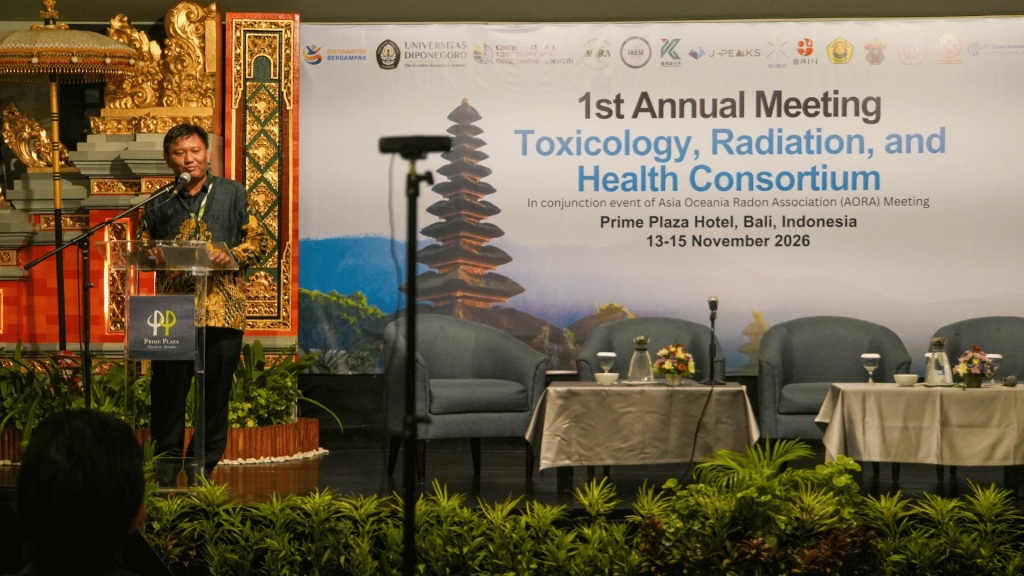
In his keynote address, Prof. Yan Wisnu emphasized the strategic role of medical faculties in advancing research and innovation to strengthen maritime health, particularly for Indonesia as an archipelagic nation.
“Medical faculties have a strategic responsibility not only in education and healthcare services but also in driving research and innovation to address maritime health challenges. By strengthening collaboration and advancing scientific knowledge, we can contribute to building a more resilient and sustainable healthcare system,” he said.
Meanwhile, Prof. Dr. Eka Djatnika Nugraha, S.Si., M.Hs., emphasized that international consortium networks are essential instruments for accelerating technology transfer and expanding the impact of cross-border research.
Addressing Radiation Risks and Heavy Metal Exposure
Over the two-day meeting, TRaHC addressed a range of environmental health issues, including radiation and radon gas exposure, human biomonitoring of chemical substances, and heavy metal and microplastic pollution. The forum also highlighted the effects of contaminant exposure on vulnerable populations, particularly pregnant women and children.
In the session on radiation and radon gas, AORA President Prof. Shinji Tokonami, Ph.D., from Hirosaki University, Japan, discussed developments in radon gas mapping across the Asia-Pacific region. Head of BRIN’s Research Center for Nuclear Safety Technology, Metrology, and Quality (PRTKMMN), Dr. rer. biol. hum. Heru Prasetio, presented radiation protection standards for medical cyclotron facilities. Meanwhile, Nur Rahmah Hidayati, M.Sc. (UNSCEAR), delivered a global assessment of the health effects of ionizing radiation.
The discussions on radioactivity also featured Van-Hao Duong, Ph.D. (AORA), who examined Polonium-210 concentrations in shellfish in Vietnam; Prof. Hyuncheol Kim, Ph.D. (KAERI, South Korea), who presented methods for detecting radionuclides in seawater; and Athira Nandakumar, M.Sc., Ph.D. (Kagoshima University), who discussed the Karunagappally natural radiation cohort study.
Chair of the Center of Excellence for Clinical Toxicology and Environmental Health (CCTEH) at FK UNDIP, dr. Muflihatul Muniroh, M.Si.Med., Ph.D., emphasized TRaHC’s role as a driving force for collaboration in clinical and environmental research.
Another key topic was human exposure to chemicals and heavy metals. Prof. Atsuko Ikeda, Ph.D. (Hokkaido University), and Prof. Mayumi Tsuji, M.D., Ph.D. (University of Occupational and Environmental Health, Japan), presented birth cohort studies highlighting the importance of protecting children from chemical exposure beginning during pregnancy.
Meanwhile, Dr. Aram Lee (Soonchunhyang University, South Korea) presented research on the detection of 18 types of metals in children across several countries and comparisons of their associated health risks. Representing Indonesia, Dr. Hasnawati Amqam, S.K.M., M.Sc. (Universitas Hasanuddin), discussed monitoring heavy metal exposure among pregnant women in Makassar.
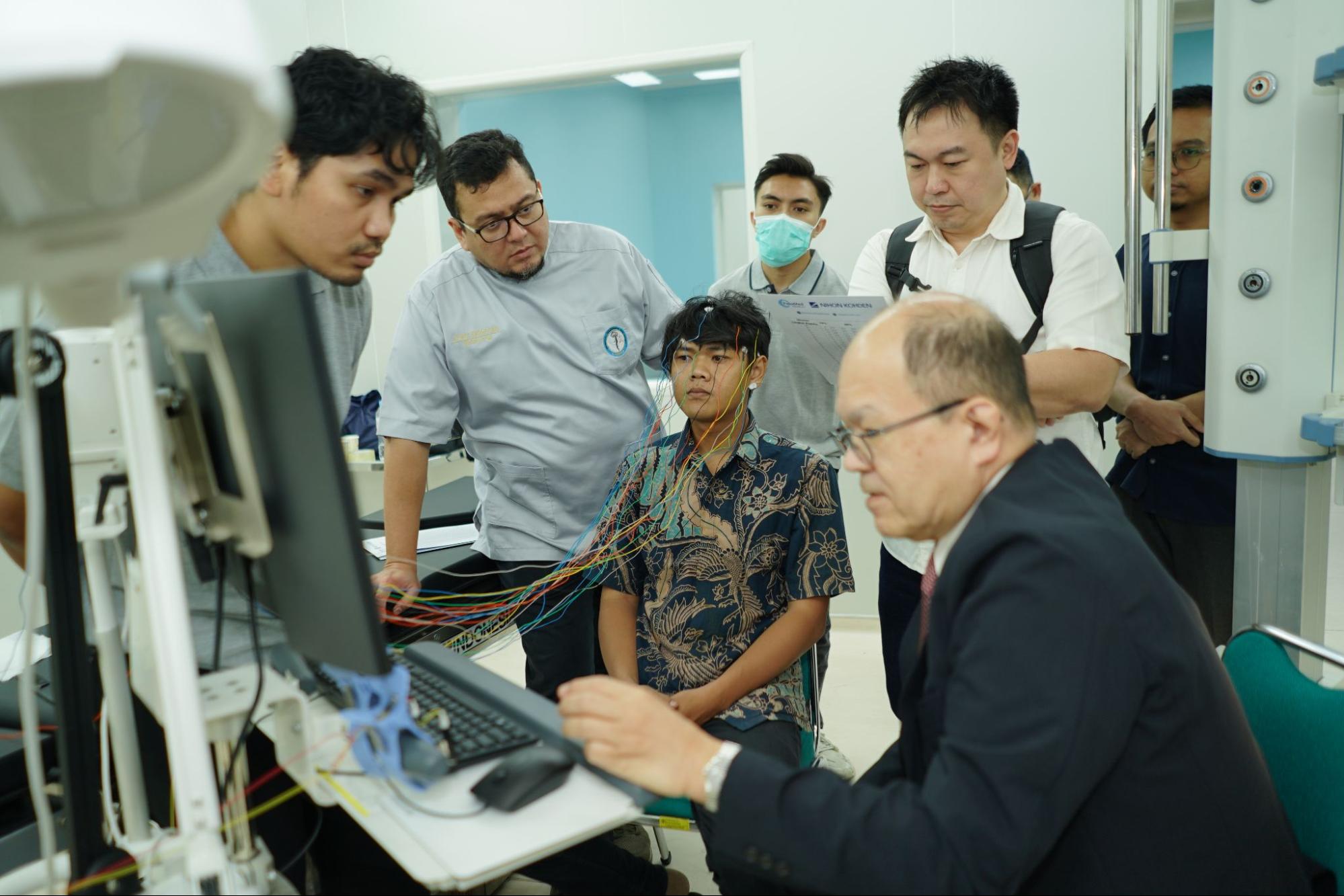
The toxicology discussions also covered the effects of mercury exposure and environmental pollution. Prof. Chihaya Koriyama, M.D., Ph.D. (Kagoshima University), presented findings on the association between mercury exposure and arterial stiffness, measured using the Cardio-Ankle Vascular Index (CAVI), an indicator of cardiovascular risk. The discussion was complemented by a presentation from Megumi Yamamoto, M.S., Ph.D. (National Institute for Minamata Disease, Japan), and research findings from dr. Ancah Caesarina Novi M., Ph.D., FISPH., FISCM. (Universitas Jember), on mercury contamination in well water and its association with skin complaints, particularly pruritus.
Regarding ecosystem pollution, Prof. Hanqing Yu (Chinese Academy of Agricultural Sciences, China) discussed microplastic migration in agricultural soils. Prof. Dr. Ir. Etty Riani, M.S. (IPB) examined heavy metal bioaccumulation in Black Panther snails in a former battery recycling area. Meanwhile, dr. Sri Manovita Pateda, Ph.D. (Universitas Negeri Gorontalo), presented a community-based innovation to prevent mercury vapor inhalation.
Young Researchers Receive Awards as Japan Set to Host TRaHC 2027
In addition to scientific discussions, the meeting featured research presentations in oral and poster categories, evaluated by a multidisciplinary panel of judges. An AORA coordination meeting was also held in a hybrid format as part of the event.
During the closing ceremony, hosted by dr. Muflihatul Muniroh and Prof. Eka Djatnika Nugraha, the organizing committee announced the recipients of the Best Presentation Awards. In the Best Oral Presentation category, Donovan Anderson, Ph.D., won first place, followed by Prof. Hirofumi Tazoe in second place and Shiroh Tanoue, M.D., Ph.D., in third place.
In the Best Poster Presentation category, dr. Alauna Rafi Faida secured first place, followed by Ryohei Yamada in second place, Muhammad Syifaul Afnan, S.Ked., in third place, and Adinda Tisha Desviana, S.T., in fourth place.
The meeting also featured a video address from BRIN Head Prof. Arif Satria, S.P., M.Si. As a follow-up to the event, AORA President and Professor at Hirosaki University, Japan, Prof. Shinji Tokonami, Ph.D., announced his institution’s readiness to host the 2nd Annual Meeting of TRaHC in 2027.
“Strengthening environmental data research, including through comprehensive studies and quantification of contaminants, is an important step toward understanding the health risks associated with exposure. These efforts must be accompanied by improvements in environmental safety and protection to help us address future public health and environmental challenges,” Prof. Arif Satria stated in his video address.
The Attaché for Science of the Republic of Indonesia in Vienna, Austria, Prof. Dr. Eka Djatnika Nugraha, S.Si., M.Hs., stated that the establishment of TRaHC as the first international consortium to integrate toxicology, radiation, and health research under the leadership of Indonesian scientists demonstrates Indonesia’s strategic role in driving global research collaboration.
Through this consortium, FK UNDIP and BRIN are advancing international scientific collaboration to strengthen research in toxicology, radiation, and health. The partnership is expected to expand the contribution of Indonesian researchers to addressing environmental health challenges at the global level. (Humas FK UNDIP)