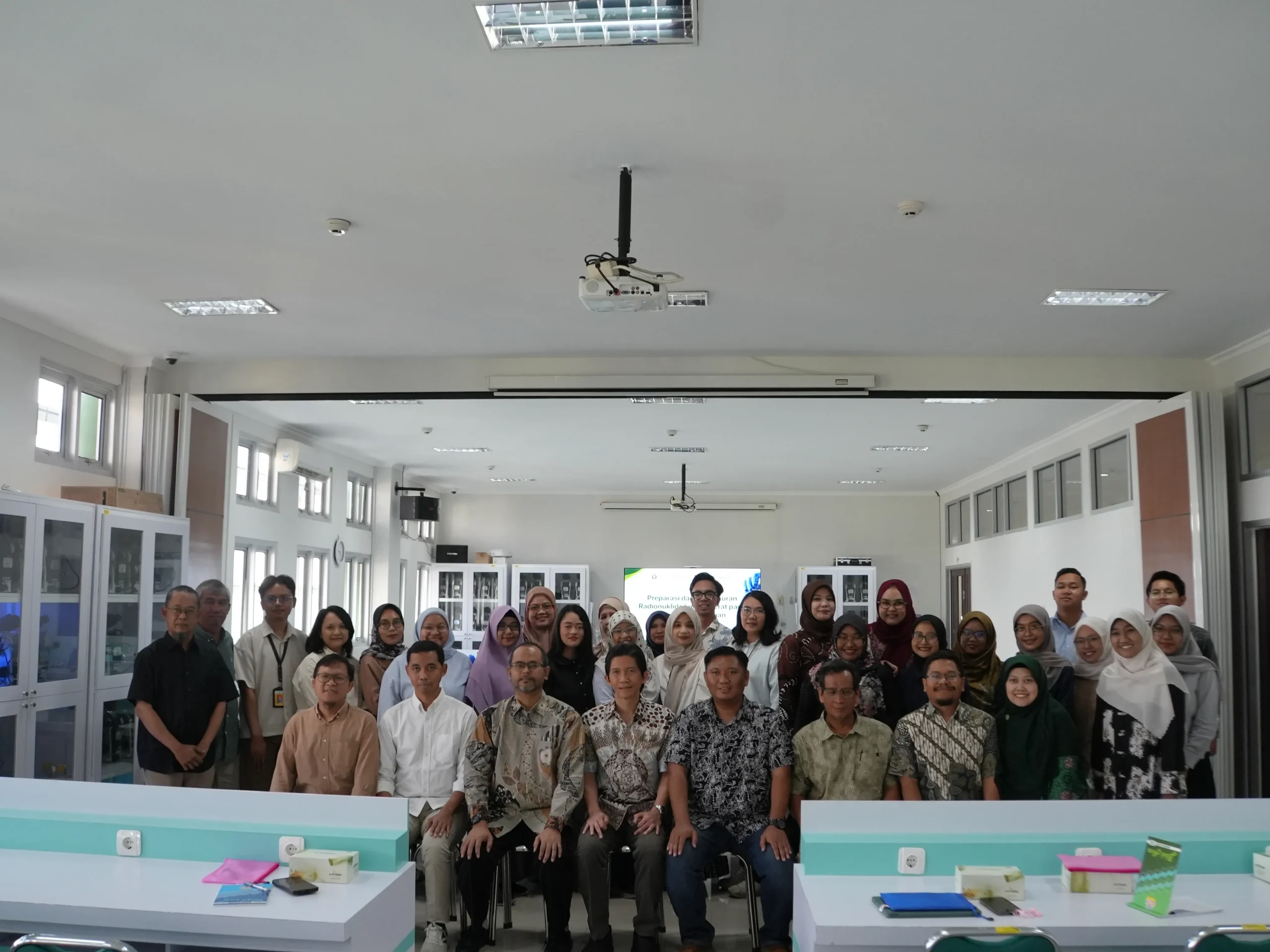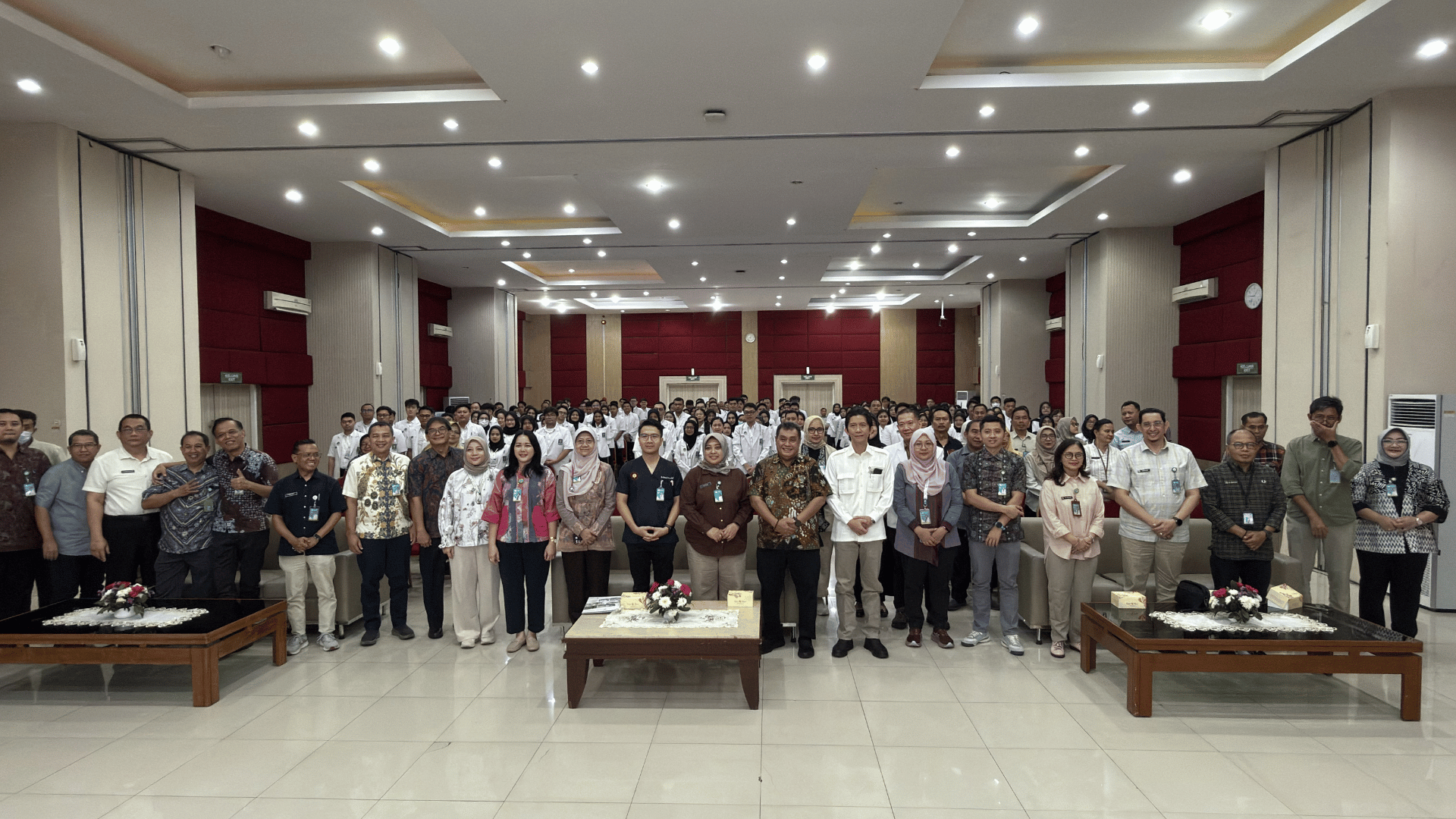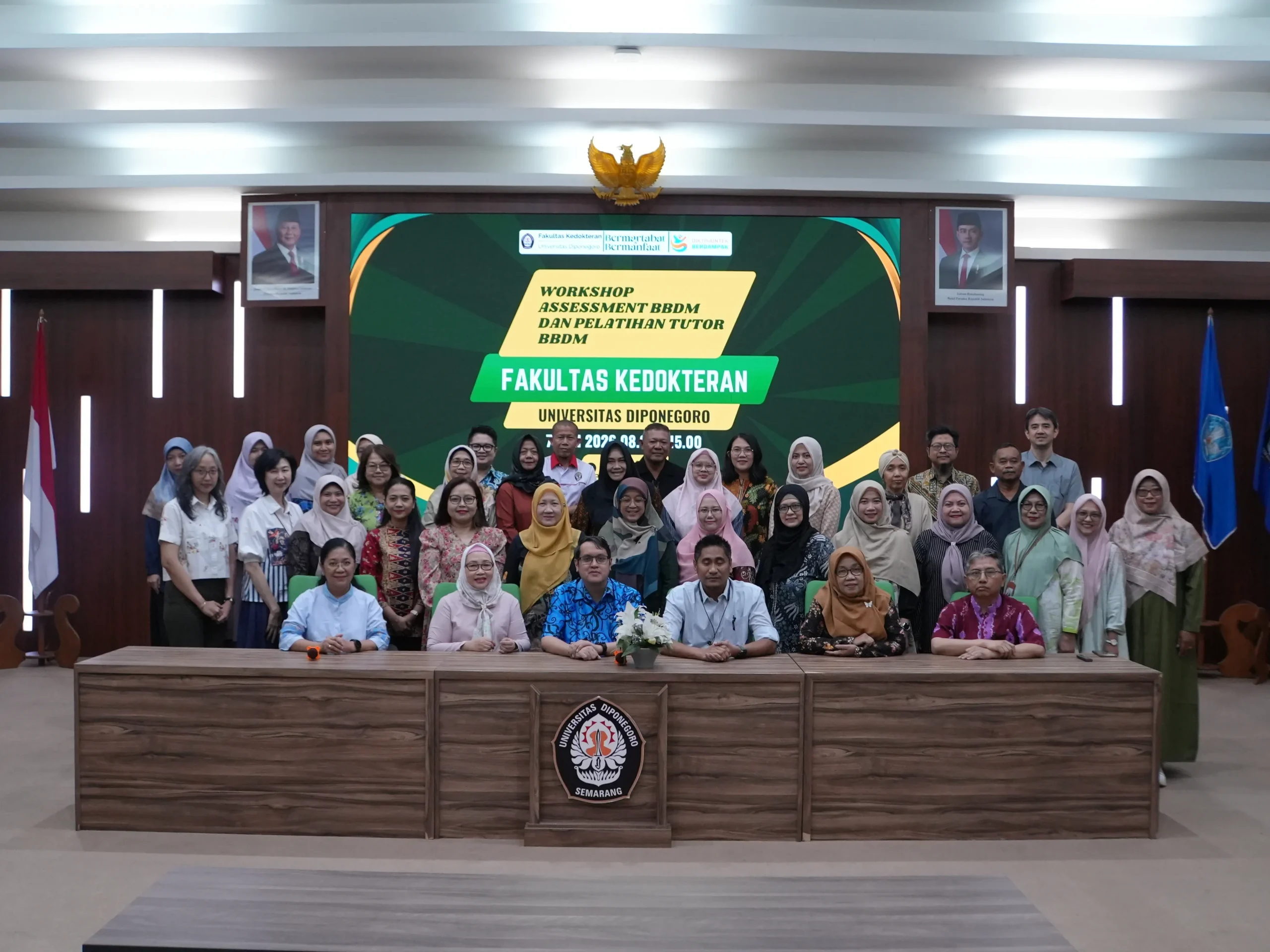
SEMARANG – The Faculty of Medicine, Universitas Diponegoro (FK UNDIP) organized the BBDM Assessment Workshop and BBDM Tutor Training as part of its ongoing efforts to enhance the quality of student-centered learning while strengthening faculty members’ competencies in their roles as tutors. Held at the Mayjen R. Soewondo Building, FK UNDIP, the program brought together BBDM tutors and prospective tutors from across the faculty.
The event commenced with participant registration, the singing of the Indonesian national anthem Indonesia Raya, the official opening ceremony, and a group photo session. The workshop then continued with a series of scientific sessions featuring three speakers who discussed various aspects of BBDM implementation, including the tutorial process, the role of tutors, and assessment systems that support effective student learning.
The workshop reflects FK UNDIP’s commitment to continuously improving the implementation of BBDM through systematic evaluation of the learning process, enhancement of tutor competencies, and the establishment of a shared understanding of problem-based learning practices.
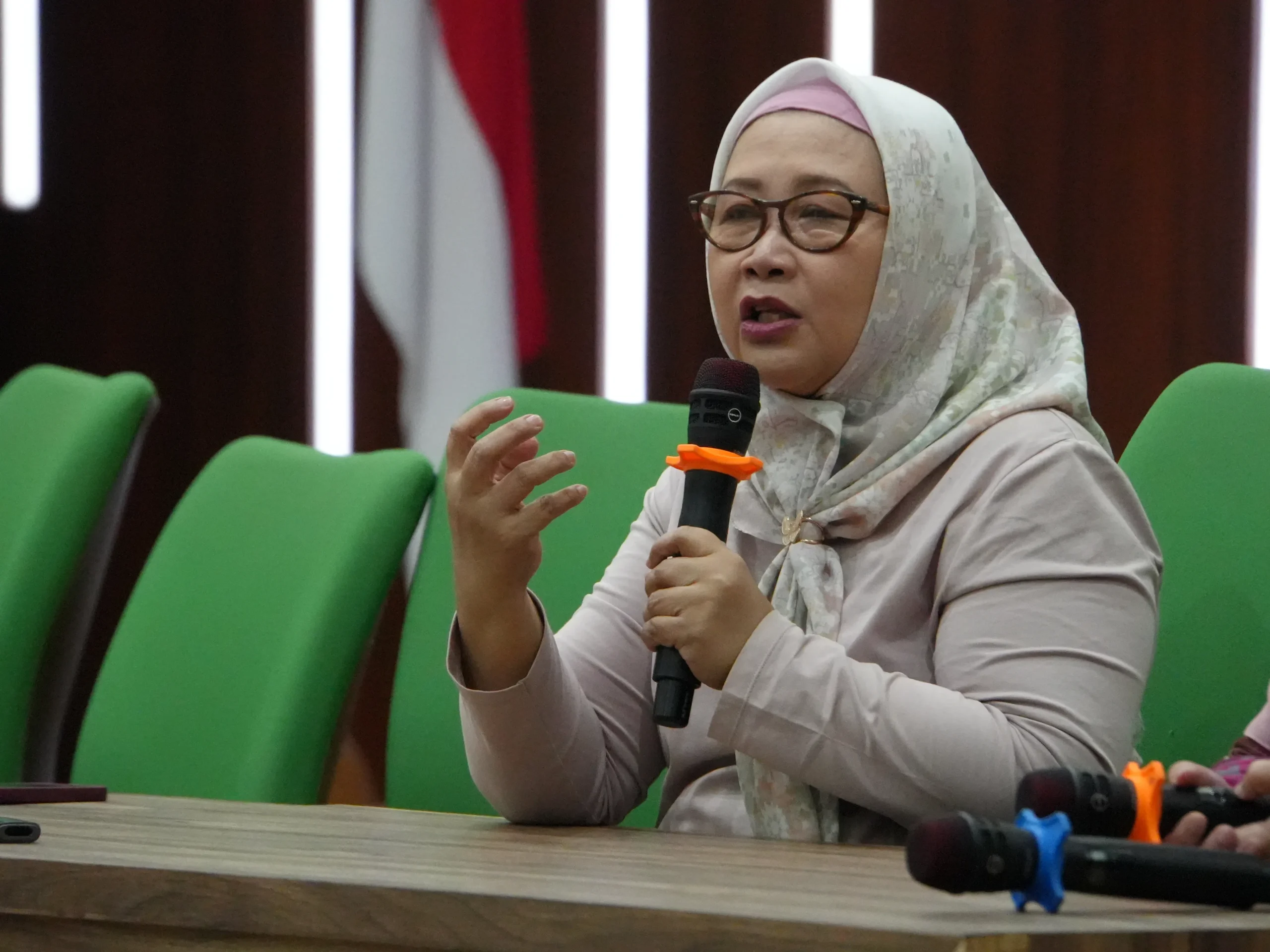
The first session was moderated by dr. RR Mahayu Dewi Ariani, M.Si.Med. The opening presentation was delivered by Dr. dr. Neni Susilaningsih, M.Si., AHK(K), who discussed the Seven Jump (Seven-Step) approach in BBDM. She explained that BBDM is based on the Problem-Based Learning (PBL) approach, which places students at the center of the learning process.
According to Dr. Neni, the learning model consists of seven key stages: clarifying unfamiliar terms, identifying the problem, analyzing the problem, formulating hypotheses, defining learning objectives, conducting self-directed learning, and synthesizing the acquired knowledge through a second tutorial discussion. She emphasized that each stage is designed to develop students’ ability to think systematically and solve problems using a scientific approach.
“Students must construct their own knowledge through discussion and self-directed learning. The tutor’s role is to facilitate the discussion so that students actively engage in critical thinking, rather than providing them with direct answers,” she explained.
Dr. Neni also introduced an enhancement to the group reporting format. While group reports previously consisted of lengthy narrative documents, they will now focus on the development of concept maps (mind maps) that are continuously refined based on the outcomes of students’ self-directed learning. This approach is expected to reduce students’ administrative workload while restoring the primary focus to the learning process itself.
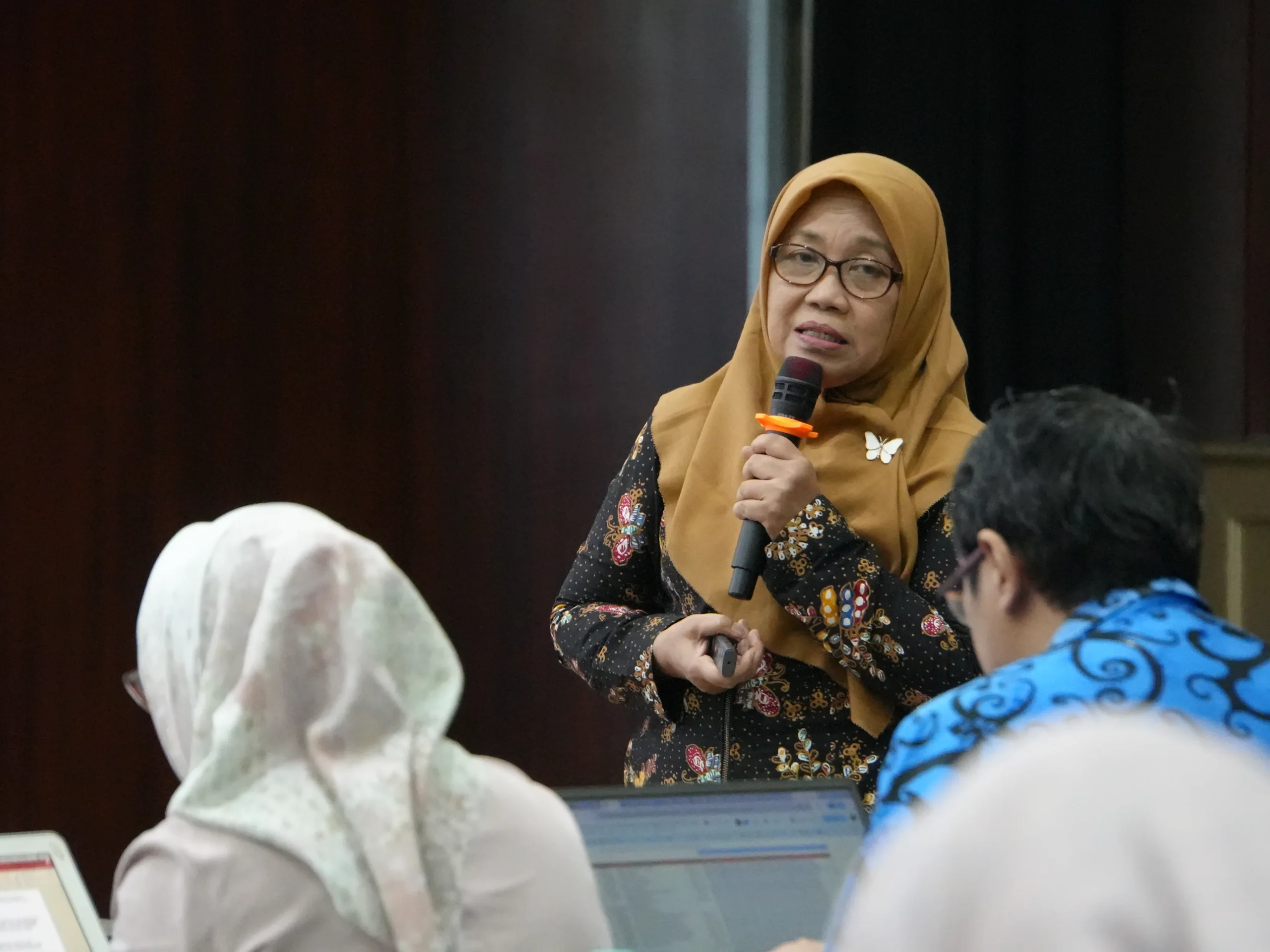
The second presentation was delivered by dr. Lathifa Putry Fauzia, MHPE, who discussed the Role of Tutors in BBDM Tutorials. In her presentation, dr. Lathifa explained that the shift in medical education from a teacher-centered learning model to a student-centered learning approach requires a fundamental transformation in the role of faculty members. Rather than serving as lecturers who deliver content, tutors are expected to act as facilitators who guide students through probing questions, provide constructive feedback, and foster productive group discussions.
According to dr. Lathifa, a tutor’s success should not be measured by the amount of material delivered, but by the ability to create an engaging learning environment in which students actively discover and construct their own knowledge. “Tutors should encourage students to think critically, analyze problems, and collaborate effectively with their peers. The tutor’s primary focus is to facilitate the students’ learning process, not to deliver additional lectures,” she said.
She also addressed the challenges of learning in the era of Artificial Intelligence (AI). According to dr. Lathifa, the use of AI is inevitable; however, students must be guided to critically evaluate and verify the information they obtain, ensuring that they continue to rely on valid, evidence-based scientific sources that are academically accountable.
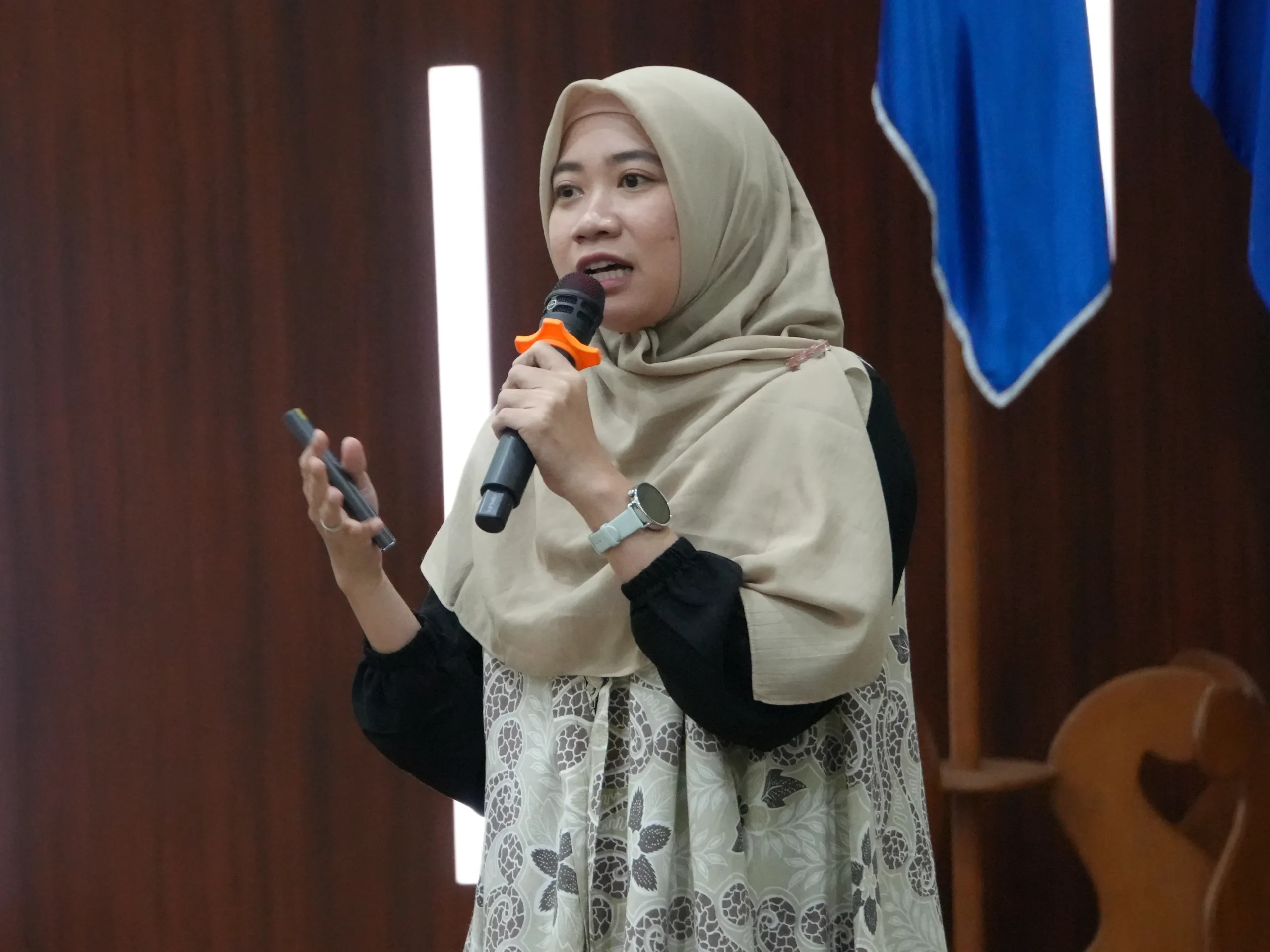
The final presentation was delivered by Prof. Dr. dr. Tri Nur Kristina, DMM, M.Kes., who discussed the Rationale of BBDM and Assessment in the BBDM Process. Prof. Tri Nur Kristina explained that BBDM represents the implementation of the Problem-Based Learning (PBL) approach, designed to develop physicians who not only possess strong medical knowledge but also demonstrate critical thinking, effective communication, collaboration, and lifelong learning skills.
She emphasized that problem-based learning promotes better knowledge retention than conventional lecture-based instruction because students actively construct their understanding through discussion and self-directed learning. In addition to outlining the educational philosophy underlying BBDM, Prof. Tri Nur Kristina introduced enhancements to the assessment system that will be implemented beginning this semester.
According to her, BBDM assessment extends beyond evaluating students’ mastery of subject matter. It also measures the learning process itself, including discipline, communication, professionalism, participation in tutorial discussions, the quality of self-directed learning outcomes, and students’ ability to develop concept maps that demonstrate their understanding of the clinical cases being studied.
She further explained that simplifying the group reporting process is one of the initiatives aimed at reducing administrative tasks that do not directly contribute to competency achievement, allowing students to devote greater attention to critical thinking and scientific discussion.
Following each presentation, participants engaged in interactive discussions with the speakers. The sessions addressed a range of strategic issues, including the development of BBDM case scenarios, formulation of learning objectives, refinement of assessment rubrics, the use of scientific literature, and the integration of Artificial Intelligence into medical education. The speakers agreed that while AI can serve as a valuable learning tool, it should never replace students’ critical thinking processes. The ability to evaluate the credibility and validity of information sources remains an essential competency for future physicians.
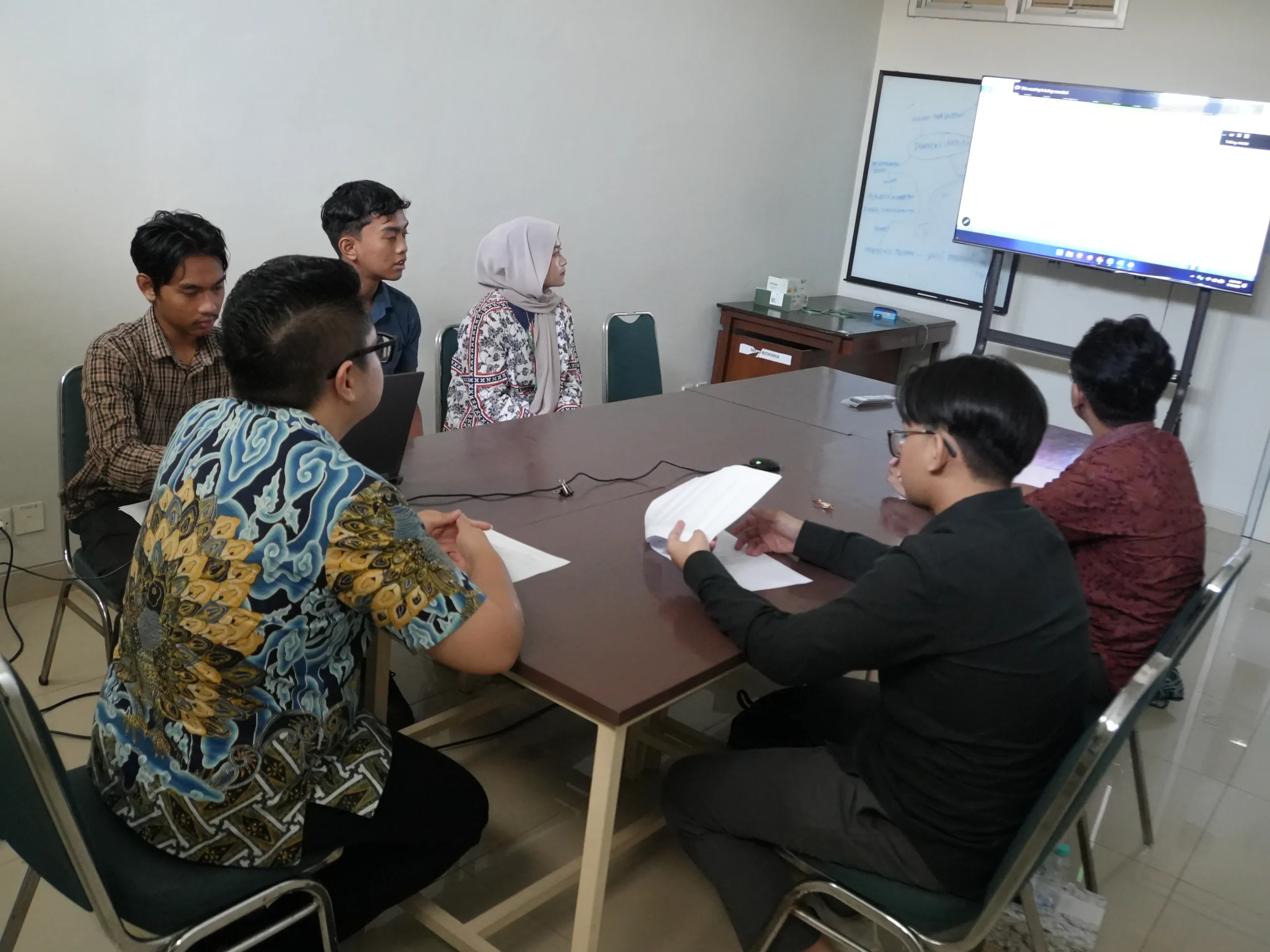
During the second session, participants took part in a BBDM Tutorial Simulation and Discussion facilitated by the Medical Education Unit (MEU) of FK UNDIP. The simulation provided tutors with the opportunity to apply the tutorial process in practice in accordance with the standards discussed throughout the workshop.
The program concluded with a Reflection, Evaluation, and Closing Session led by dr. Lathifa Putry Fauzia, MHPE. During this session, participants reflected on the knowledge and insights gained throughout the workshop and reaffirmed their commitment to implementing best practices in BBDM tutorials across FK UNDIP.
Through this workshop, FK UNDIP aims to establish a shared understanding among all tutors regarding both the implementation and assessment of BBDM, enabling them to deliver a more effective, collaborative, and student-centered learning experience. The program also reflects FK UNDIP’s ongoing commitment to maintaining excellence in medical education and producing graduates who are academically outstanding, professionally competent, adaptable to advances in science and technology, and well prepared to deliver high-quality healthcare services to the community. (Public Relations, Faculty of Medicine, Universitas Diponegoro / Saradita / Erman)