Jakarta, Indonesia – August 27, 2026 – Diabetic wounds continue to pose a significant clinical challenge, often healing slowly and carrying a heightened risk of complications. In pursuit of an accessible, nature-derived approach to this problem, a research team from Universitas Diponegoro (UNDIP) has investigated the therapeutic potential of a cream formulated from cactus gel extract, and recently shared its findings with the international scientific community in Jakarta.
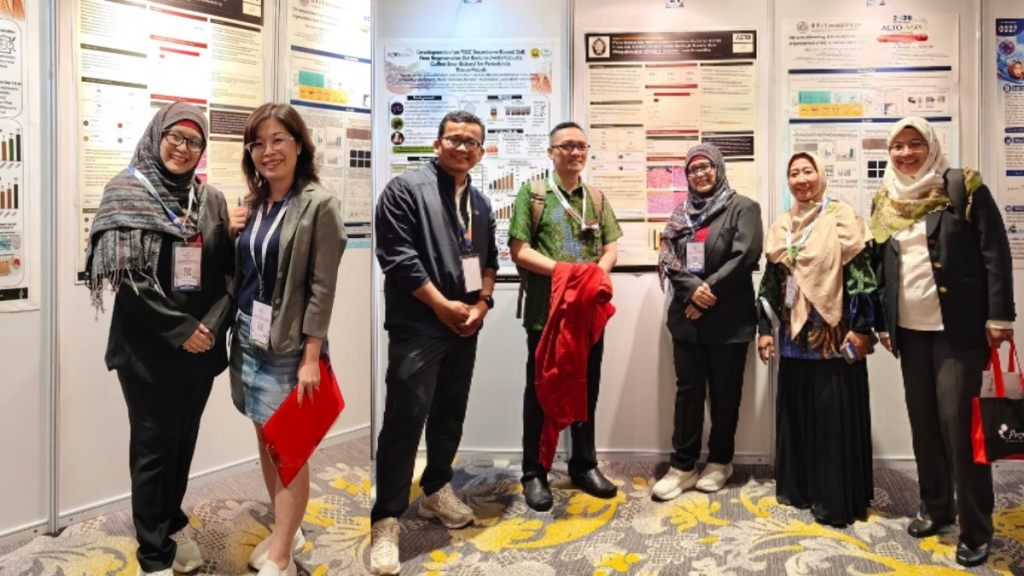
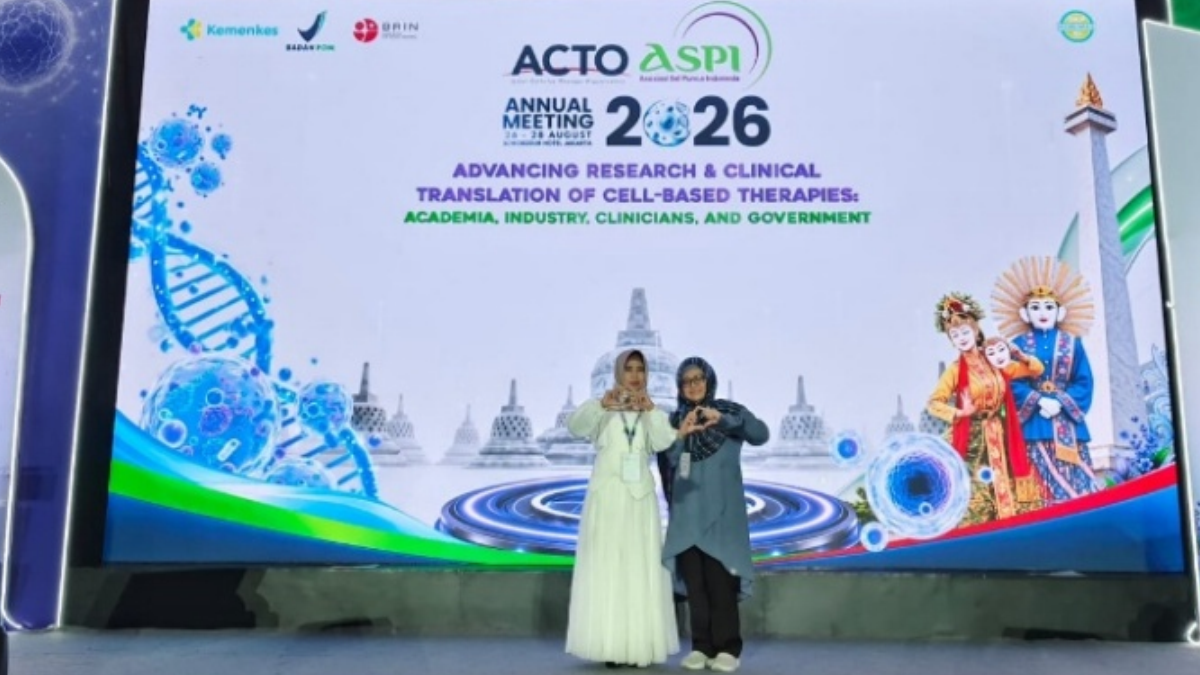
Led by Dr. dr. Desy Armalina, M.Si.Med, AHK(K), a lecturer at the Department of Anatomy-Histology, Faculty of Medicine, UNDIP, the team delivered a poster presentation at the 17th Annual Meeting of the Asian Cellular Therapy Organization (ACTO), organized in collaboration with the Indonesian Stem Cell Association (ASPI). The meeting was held from August 26 to 28, 2026, at Hotel Borobudur, Jakarta.
The study evaluated the effects of the cactus gel extract cream on burn wound healing in diabetic mice. The researchers characterized the cream’s bioactive compounds and mineral composition, and assessed its influence on tissue regeneration. Their findings highlight the formulation’s potential as a natural and cost-effective alternative in diabetic wound management.
Convened under the theme “Advancing Research & Clinical Translation of Cell-Based Therapies: Academia, Industry, Clinicians, and Government,” the meeting received support from the National Research and Innovation Agency (BRIN) and the Indonesian Ministry of Health. The event brought together researchers, clinicians, and industry stakeholders from across Asia to foster progress in cell-based therapeutic research.
For Dr. Desy and her team, the conference served as a meaningful platform to disseminate their work to a global audience. The presentation provided an opportunity to receive constructive feedback from international experts and to establish professional connections that may pave the way for future collaborative research. Throughout the event, the team engaged with researchers, clinicians, and regulators from Japan, Taiwan, Thailand, Singapore, Germany, and Indonesia.
The team’s participation further strengthens the international visibility of UNDIP’s research in regenerative medicine and reaffirms the university’s sustained commitment to research excellence and global engagement. (Humas FK UNDIP)