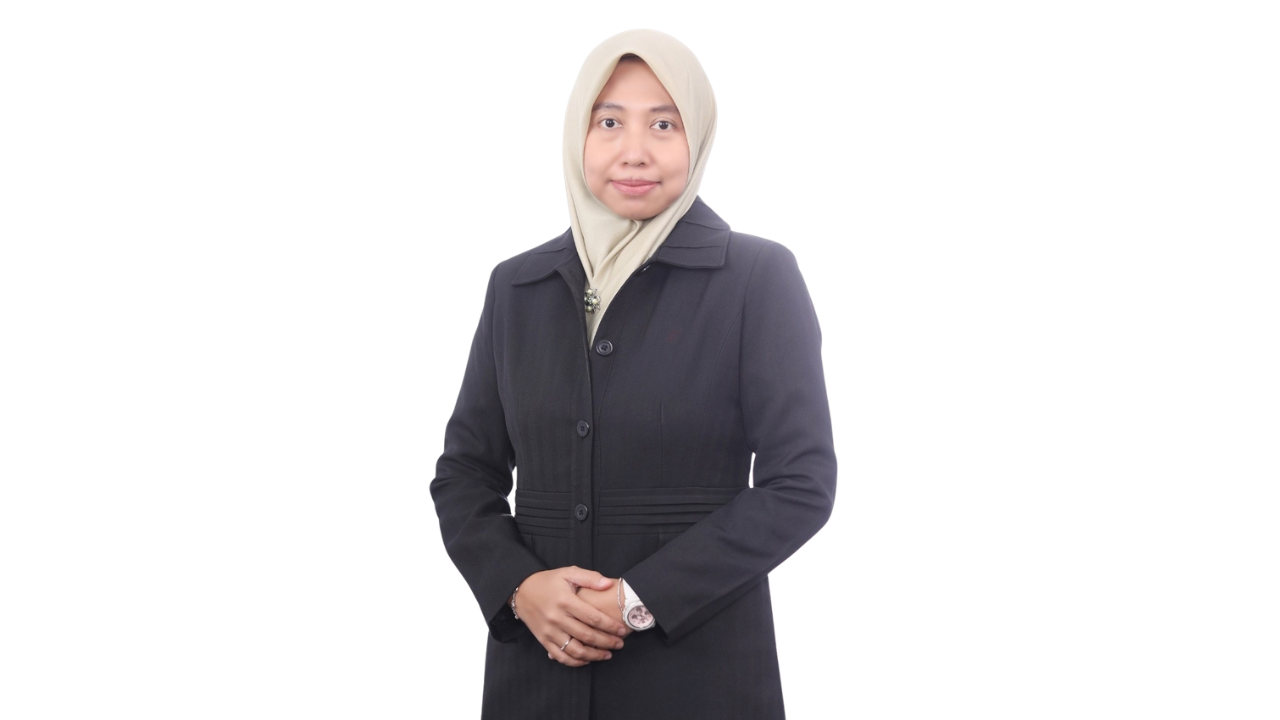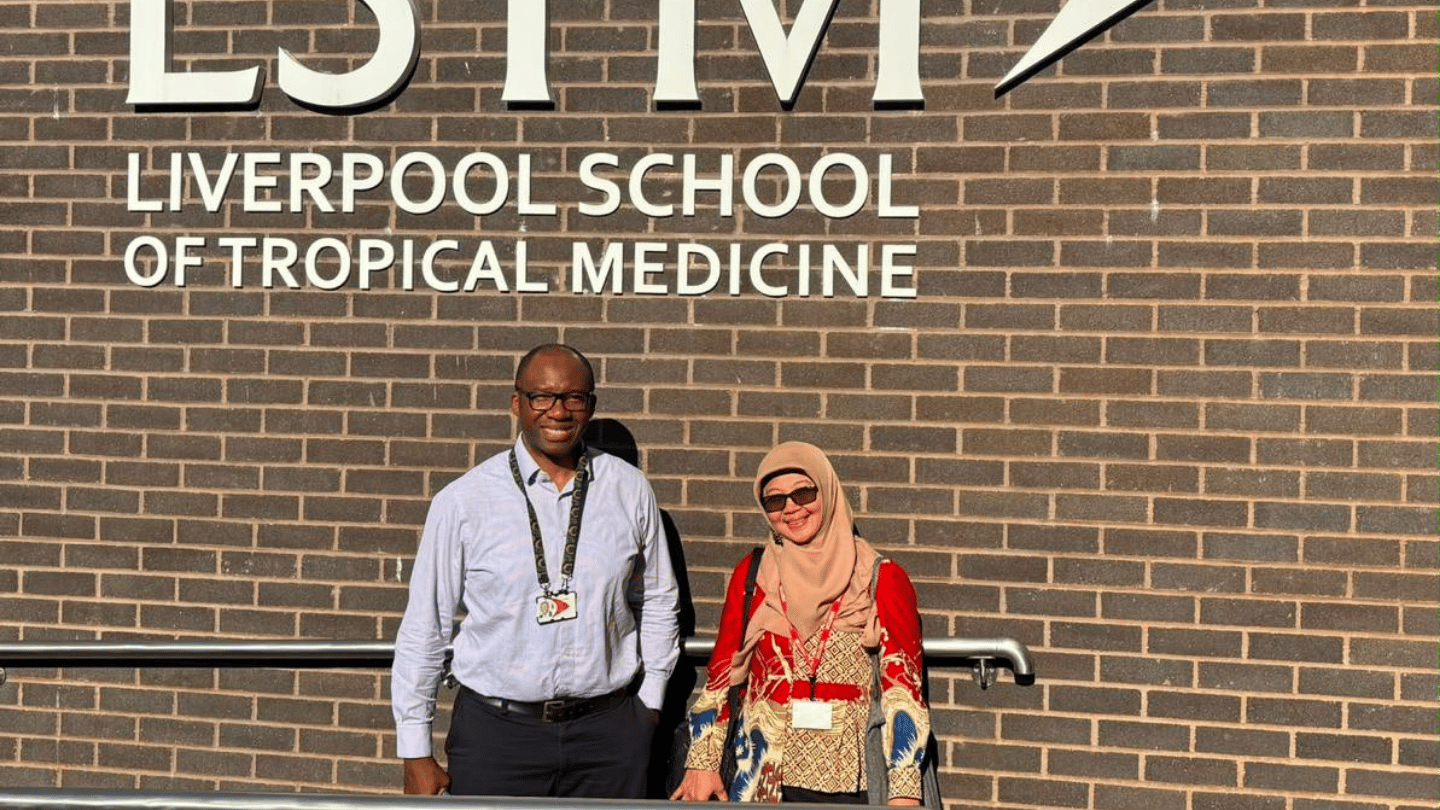
SEMARANG – The Faculty of Medicine, Universitas Diponegoro (FK UNDIP) strengthened its global health research network through a Staff Exchange program at the Liverpool School of Tropical Medicine (LSTM), United Kingdom, held from June 27 to July 15, 2026. The program, attended by Dr. dr. Ratnasari Dwi Cahyanti, Sp.OG(K)., M.Si.Med., opened new opportunities for collaboration in research, scientific publications, education, and academic capacity development.
Throughout the program, FK UNDIP participated in a series of academic activities, including orientation sessions, courtesy meetings with LSTM leaders and senior researchers, and discussions on future research collaborations. One of the program’s primary focuses was advancing cooperation in maternal and newborn health, particularly in Maternal Perinatal Audit–Surveillance and Response (AMP-SR), quality improvement, implementation science, and strengthening healthcare systems.
According to Dr. dr. Ratnasari, the program provided more than an opportunity to exchange knowledge; it also laid the foundation for developing a more structured joint research agenda.
“The Staff Exchange was not merely an academic visit but marked the beginning of a more structured and sustainable collaboration in research, education, and capacity development,” said Dr. dr. Ratnasari in an interview with FK UNDIP on Wednesday (August 19, 2026).
Advancing Research with Impact on Healthcare Services
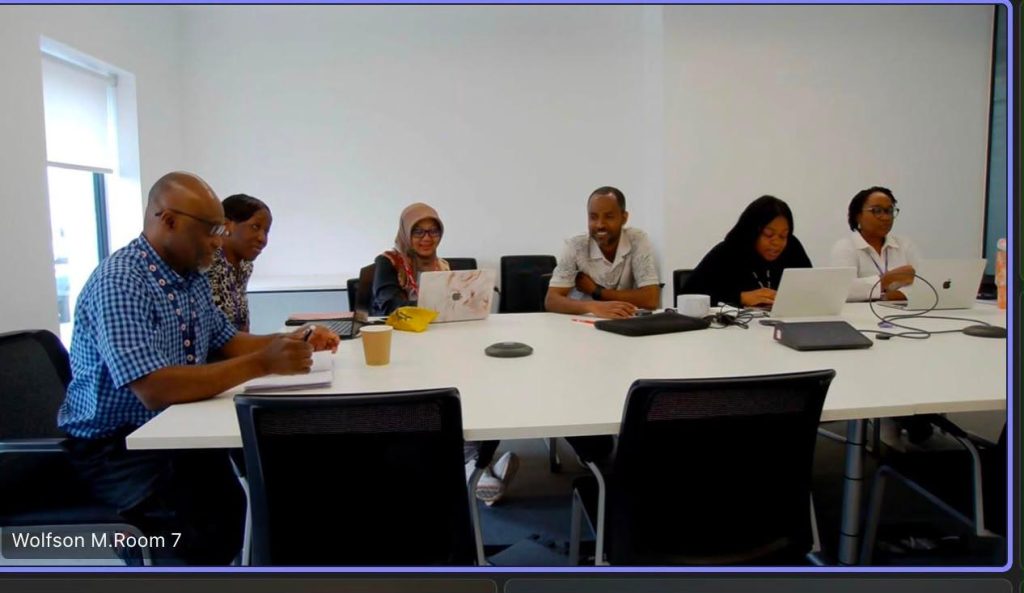
One of the key activities during the visit was the Research Collaboration Meeting. During the forum, FK UNDIP and LSTM researchers discussed their experiences and the challenges of reducing maternal and newborn mortality, including Maternal Perinatal Audit–Surveillance and Response (AMP-SR), referral systems, and quality improvement in obstetric care.
The discussions identified several areas with strong potential to be developed into joint research projects and joint scientific publications. One of the priorities was exploring how findings from maternal mortality audits could be translated into practical interventions that contribute to improving the quality of healthcare services.
According to Dr. dr. Ratnasari, the collaboration was designed to evolve from shared interests into a shared research agenda. Through this approach, academic discussions are expected to extend beyond the exchange of ideas and develop into collaborative research, scientific publications, capacity-building initiatives, and opportunities to secure international research funding.
“What we aim to build is a collaboration that goes beyond meetings or academic exchanges. Instead, it is directed toward a shared agenda that can gradually evolve into joint research, scientific publications, capacity building, and opportunities to obtain international research funding,” she said.
Strategic Value for FK UNDIP’s Internationalization
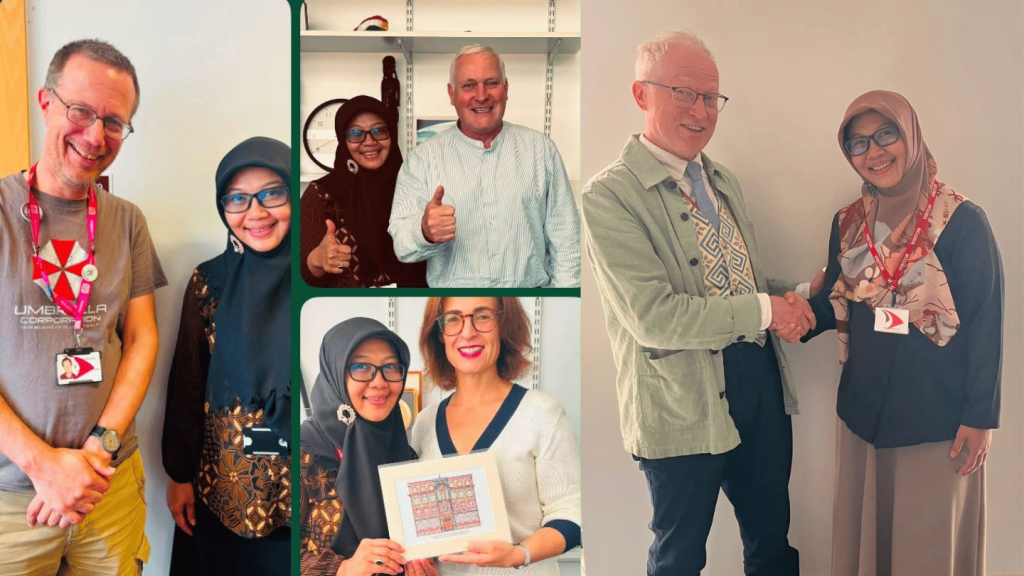
The collaboration with the Liverpool School of Tropical Medicine (LSTM) is considered strategically important for FK UNDIP, as both institutions share research priorities while offering complementary strengths. LSTM is internationally recognized for its expertise in global health, tropical medicine, maternal and newborn health, and health systems strengthening across diverse settings.
LSTM’s research excellence is reflected in the Research Excellence Framework (REF) 2021, which ranked the institution second in the United Kingdom for research impact. The achievement highlights LSTM’s ability to produce research that is not only academically rigorous but also generates measurable real-world benefits.
For FK UNDIP, this experience aligns closely with its vision of conducting impact-oriented research. Scientific studies are expected to extend beyond academic publications by informing improvements in healthcare practice and contributing to evidence-based health policies.
At the same time, FK UNDIP brings extensive experience in implementing health programs and a broad healthcare service network across Indonesia, providing a strong foundation for future collaborative research initiatives.
The partnership also creates opportunities to strengthen the internationalization of FK UNDIP’s academic programs, including the development of its International Undergraduate Program (IUP). Collaboration with LSTM is expected to support guest lectures, joint seminars, research mentoring, academic exchanges, as well as student and faculty mobility.
“Collaboration with LSTM represents an important component of FK UNDIP’s internationalization strategy toward becoming a World Class University through productive, reputable, and impactful international partnerships,” said Dr. dr. Ratnasari.
Toward a Sustainable Institutional Partnership
Beyond research, the partnership is intended to deliver broader benefits to the academic community by expanding educational activities and enhancing the capacity of faculty members and students. In this way, the knowledge, experience, and professional networks gained through the Staff Exchange program will extend beyond the participating delegate and create a multiplier effect across the institution.
“Our hope is that the collaboration between FK UNDIP and LSTM will grow from researcher-to-researcher cooperation into a sustainable institutional partnership,” Dr. dr. Ratnasari said.
She noted that FK UNDIP’s strengths include its extensive healthcare service network, experience in implementing health programs, strong academic resources, and access to a wide range of health issues that offer valuable opportunities for research. Meanwhile, LSTM contributes global expertise in research, implementation science, capacity strengthening, and the development of evidence-based health interventions.
By combining these complementary strengths, the two institutions aim to produce research of the highest academic quality while generating meaningful real-world impact on healthcare services and public health.
“The success of internationalization should not be measured solely by the number of international institutions we collaborate with, but by the extent to which those partnerships generate new knowledge, build capacity, strengthen education, influence healthcare services and policy, and ultimately benefit society,” she concluded.
Through this Staff Exchange program, FK UNDIP reaffirmed its commitment to expanding international partnerships that go beyond networking to foster productive, sustainable, and impactful academic collaboration for the advancement of healthcare in Indonesia and globally. (FK UNDIP Public Relations)