SEMARANG – Community service is one of the ways the Faculty of Medicine Universitas Diponegoro (FK Undip) implements the Tri Dharma of Higher Education while expanding access to healthcare services for communities. One such initiative was carried out in the Aru Islands Regency, Maluku Province, an area designated as a 3T region (underdeveloped, frontier, and outermost area).
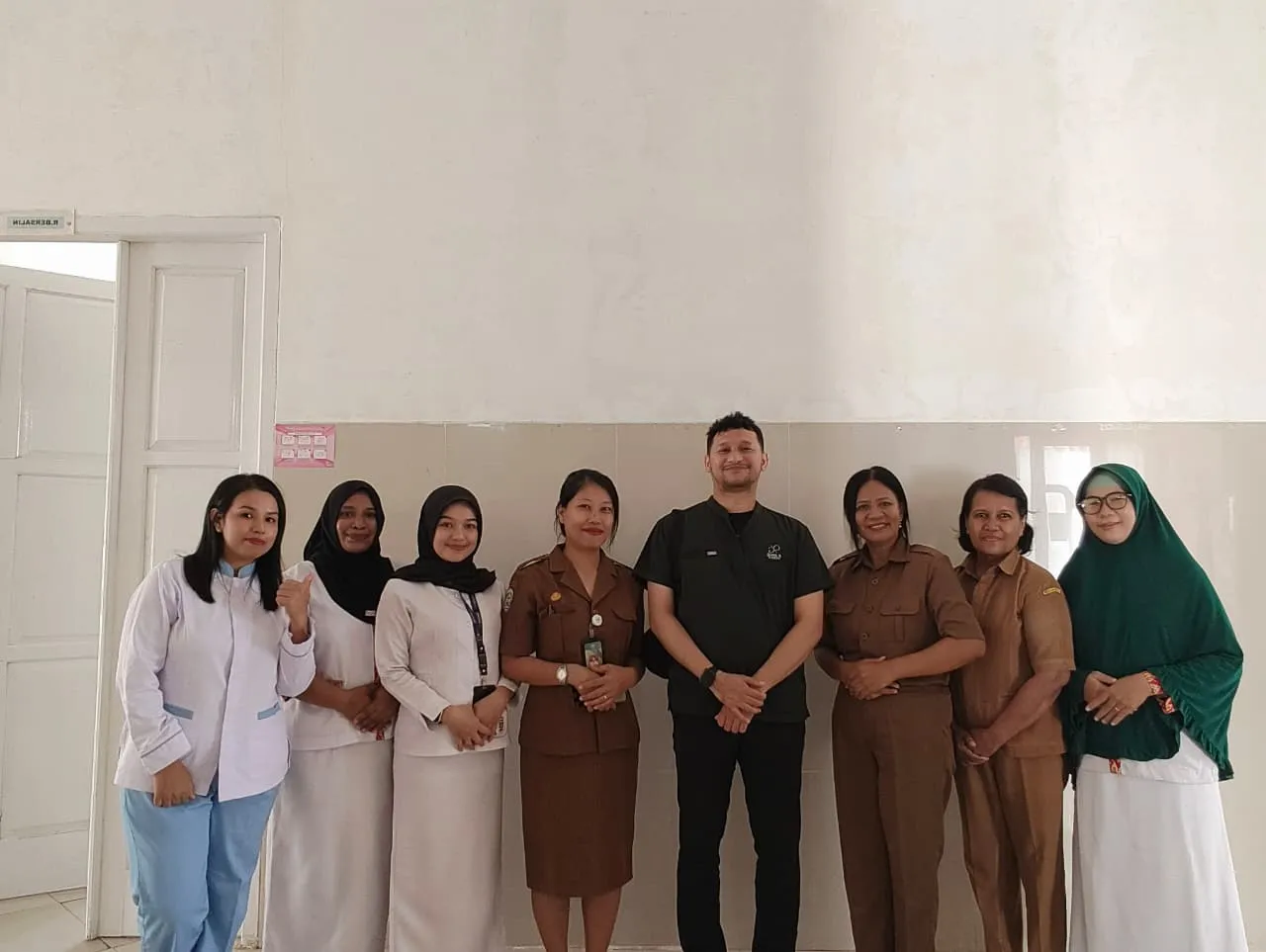
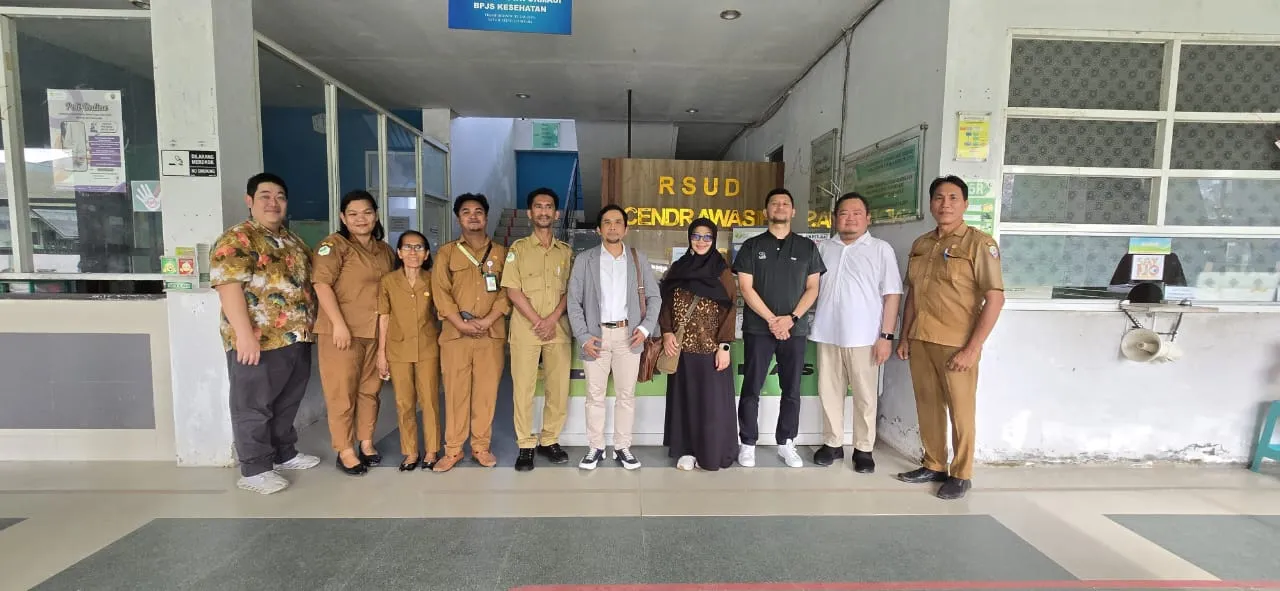
dr. Jose T. Manuputty, Sp.Og, who was then a resident in the Obstetrics and Gynecology Specialist Medical Education Program at FK Undip, was assigned to the Aru Islands for two months to provide healthcare services. Shortly after completing his national specialist examination in February 2026, he departed for the region. Speaking to FK Undip, dr. Jose described his service in the Aru Islands as one of the most meaningful experiences of his professional career. In addition to being his first assignment outside Java Island, he felt a strong emotional connection with the local community due to his Maluku heritage, despite never having previously served in the area.
“The journey to Aru was quite long. I traveled from Semarang to Jakarta, then to Ambon, and finally to Dobo. In total, it took around 12 hours. But everything was worth it upon arrival, seeing how much the community needed specialist healthcare services,” he said on Monday (May 18, 2026).
In addition to treating patients at the local hospital, dr. Jose participated in various community health center activities and provided healthcare services to surrounding islands. One of these visits was to Wokam Island, located approximately 30–40 minutes by boat from Wamar Island. There, he managed a wide range of obstetric and gynecological cases, including high-risk deliveries, cesarean sections, and major gynecological procedures such as hysterectomies, which had previously been rarely performed at the hospital due to a shortage of specialist physicians.
One of the experiences that left the strongest impression on him was handling an emergency delivery involving a breech presentation with the baby’s feet positioned first. The patient had traveled approximately six hours from her village to the hospital in Dobo. Prior to arriving at the hospital, the delivery had been assisted by a traditional birth attendant, locally known as a “mama biang.” When the patient reached the hospital, the baby’s feet had already emerged and showed signs of abrasion, but the baby had not yet been delivered.
“The team immediately provided treatment at the hospital. Thankfully, both the mother and the baby survived,” said dr. Jose.
He also acknowledged the many challenges of working in an archipelagic region. Limited healthcare facilities were among the most significant differences compared with hospitals on Java Island. According to him, surgical equipment in the region remains limited, while the availability of medicines is often inconsistent, requiring physicians to find alternative treatments beyond the standard protocols commonly taught during medical training.
“Not all medications are available. We have to adapt and explore alternatives. For example, when treating syphilis, the primary medication may not be available, so we must identify suitable substitutes,” he explained.
Additional challenges stemmed from hospital infrastructure. On one occasion, a power outage occurred during surgery, forcing the medical team to continue the procedure using light from mobile phones. In another incident, the team faced an oxygen shortage while providing patient care.
“Here, it is almost unthinkable for the operating room lights to go out during surgery. But in Aru, we experienced a power outage in the middle of an operation. Everyone remained calm. Doctors, nurses, and midwives worked together, using the flashlights on their phones until the electricity was restored. We also once ran out of oxygen and had to immediately call the responsible personnel,” he recalled.
Despite these limitations, dr. Jose praised the dedication of healthcare workers in the Aru Islands. He observed that local midwives and medical personnel demonstrated an exceptional willingness to learn, despite having limited access to the latest developments in medical science.
He also said that he felt highly valued throughout his assignment. The presence of a specialist physician was deeply appreciated by both the local community and healthcare workers at the hospital.
“I felt very respected and supported. Many midwives actively engaged in discussions, sought consultations, and contributed to patient care. The presence of specialist doctors is truly needed, especially in regional hospitals such as those in Aru,” he said.
dr. Jose explained that the placement of specialist medical personnel in the region is particularly important. The hospital had previously been supported by resident physicians from Bali; however, specialist obstetricians and gynecologists had been absent for a considerable period, with the last specialist serving there around 2022.
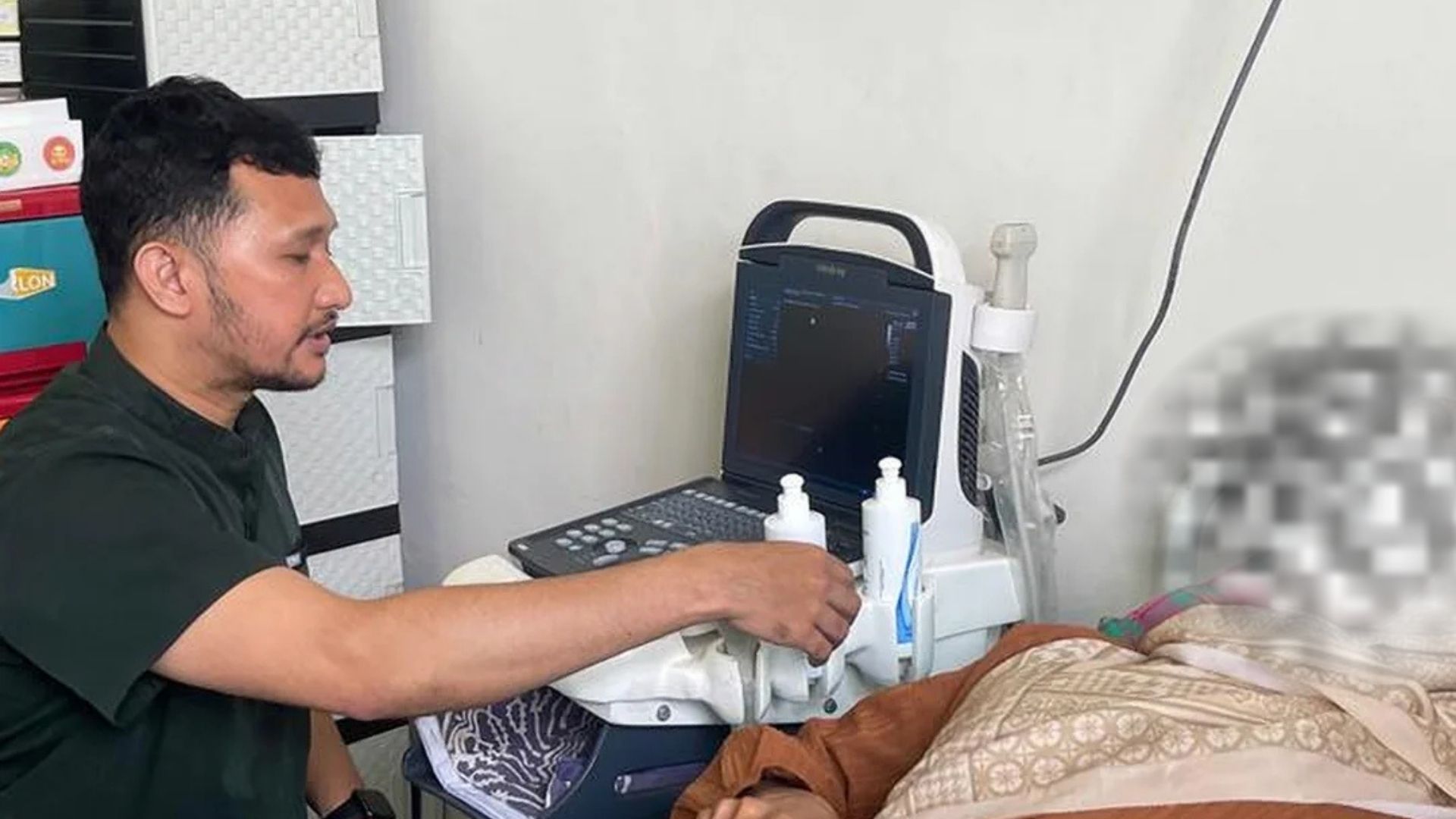
At the end of his story, dr. Jose encouraged specialist physicians, residents, and general practitioners not to hesitate to serve in regions that still face shortages of healthcare services, particularly in Eastern Indonesia.
“There are still many of our fellow citizens who need medical assistance. Here, we can work comfortably with adequate facilities, but there are many limitations there. They need more resources to support healthcare services,” he said. He emphasized the importance of serving with sincerity when working in underserved areas.
“If we work wholeheartedly, we will gain invaluable experiences and lessons. If we expect too much in return, we may end up disappointed. But if we serve sincerely, there will be many meaningful rewards and insights that we can take away,” he added.
He also reminded healthcare professionals that they serve as role models within the community. Therefore, physicians assigned to remote regions must maintain professionalism, ethical conduct, and effective communication while respecting local cultures that may differ from those of their home regions.
dr. Jose further called on more healthcare workers to participate in medical services in remote and underserved areas so that equitable access to healthcare can be enjoyed by communities throughout Indonesia. (Public Relations of FK Undip)